• HOME
  • ABOUT ME
  • PR & Sponsorship
  • Galleries
    • Macro
    • Landscapes
    • Animals & Wildlife
    • Sports
      • Snowsports
      • Team Sports
  • SHOP
    • Lightroom Presets
    • Prints
    • Clothing
    • Equipment
  • WORKSHOPS
  • PRESS
  • WORK WITH ME
  • BLOG
    • Nature & Wildlife
    • Latest News
    • Tutorials
    • Workshops
  • Contact
  • HOME
  • ABOUT ME
  • PR & Sponsorship
  • Galleries
    • Macro
    • Landscapes
    • Animals & Wildlife
    • Sports
      • Snowsports
      • Team Sports
  • SHOP
    • Lightroom Presets
    • Prints
    • Clothing
    • Equipment
  • WORKSHOPS
  • PRESS
  • WORK WITH ME
  • BLOG
    • Nature & Wildlife
    • Latest News
    • Tutorials
    • Workshops
  • Contact
After the Storm – Photographing the Eurasian Oystercatcher
8 December 2025
in Blog+Nature

After the Storm – Photographing the Eurasian Oystercatcher

There’s something undeniably special about a coastline right after a storm. The air feels cleaner, the wind softens, and colours seem to return to the world. Wet sand glistens like polished glass and if you’re really lucky, a rainbow breaks through the clouds and turns an ordinary shoreline into something unforgettable.

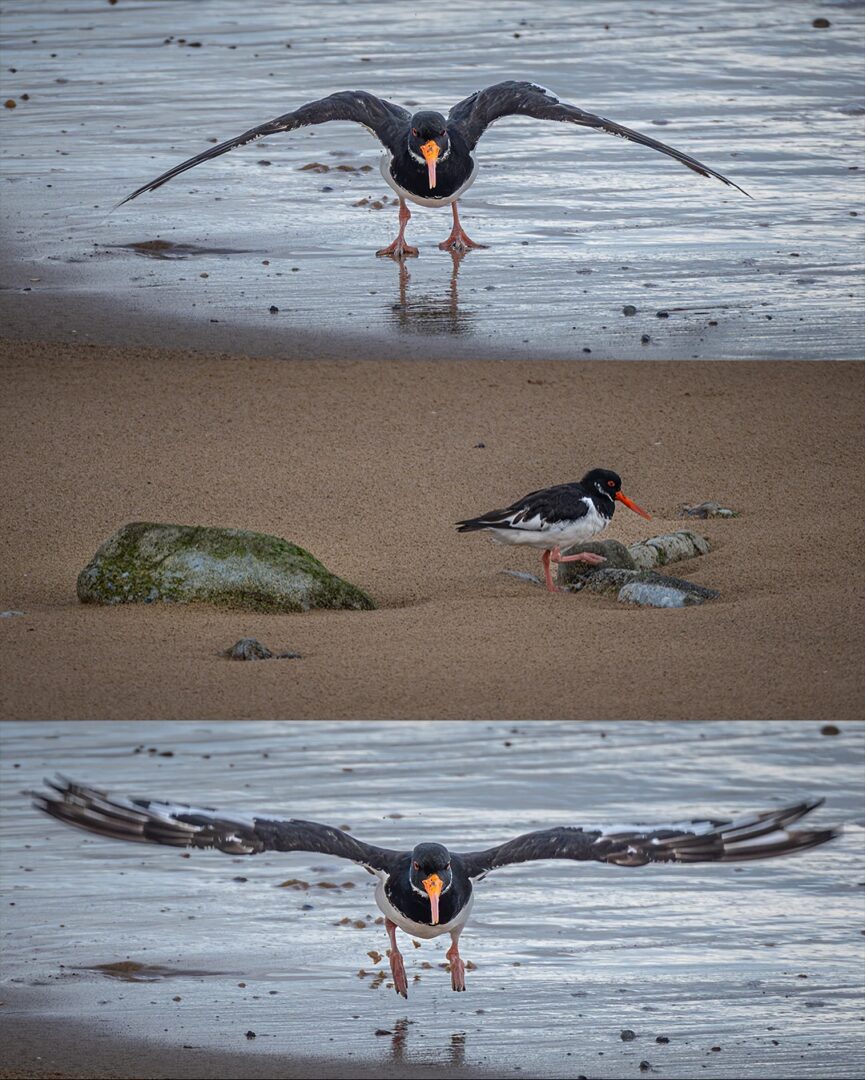
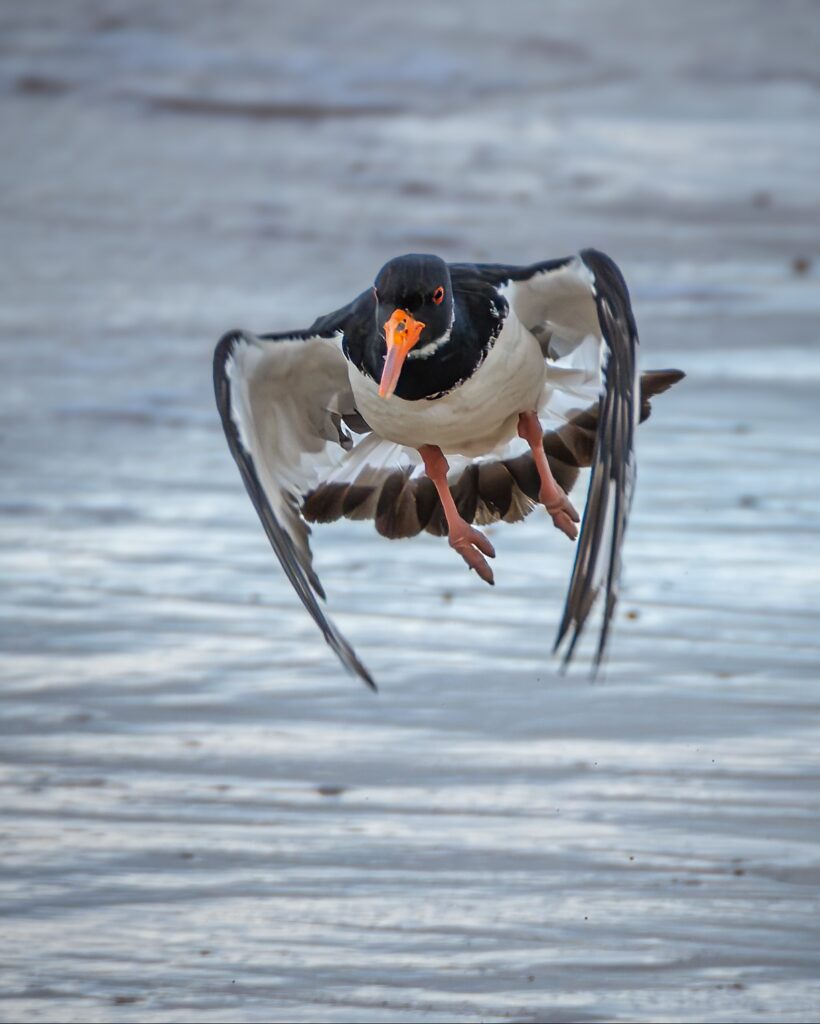
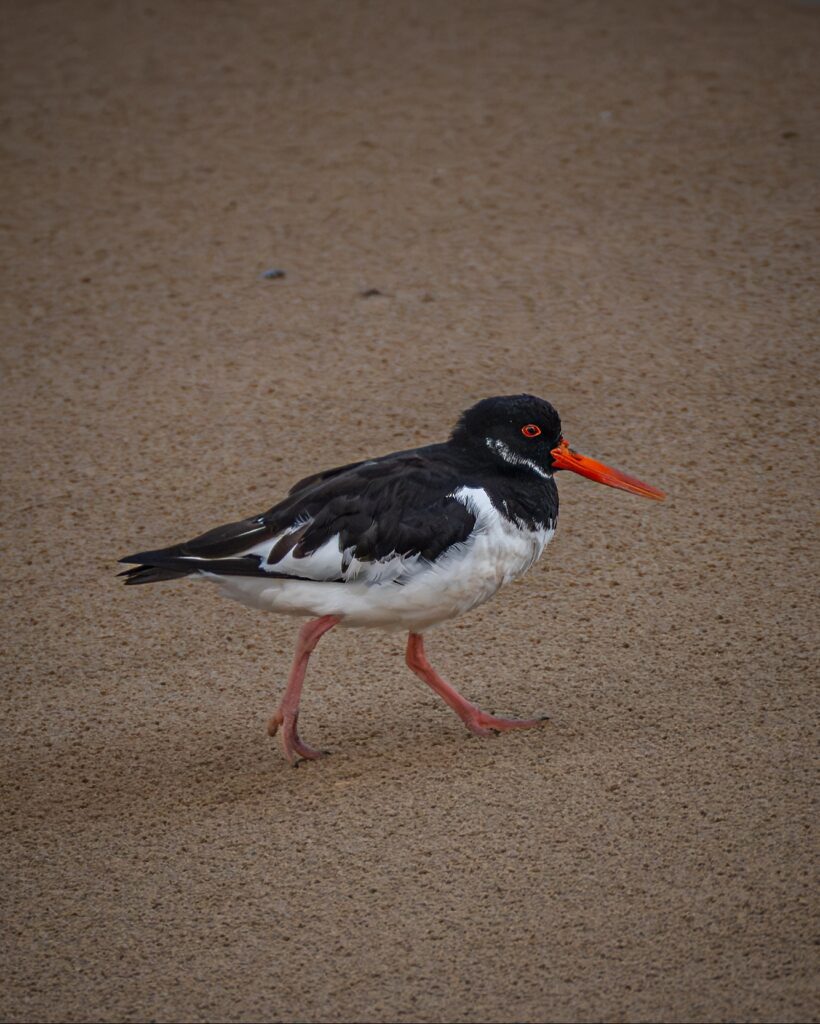
That was the scene when I headed out to photograph Eurasian Oystercatchers (Haematopus ostralegus) recently. These birds always bring a bit of drama to the beach. You hear them long before you see them: sharp, piping calls that cut through the air as they patrol the tideline. And then there’s that unmistakable look; black-and-white plumage, long orange-red bill, and eyes that seem permanently alert to the shifting waves.

Oystercatchers are built for coastal life. Their powerful, chisel-shaped bills allow them to prise open mussels, cockles, and clams with incredible accuracy. They’re patient hunters, often working methodically along the sand, tapping and testing shells before making their move. One of the things I love most about watching them is how deliberate everything is –  every step, every strike of the bill, every moment of pause while they assess the next opportunity. In nature, patience and precision almost always pay off.

Although most people think of oystercatchers as strictly shoreline birds, they’re actually far more adaptable than that. In the UK, they breed on beaches, saltmarshes, rocky coasts, and even inland near rivers and lakes. Some populations migrate south in winter, while others remain year-round. They’re excellent parents too, defending their nests fiercely, and you’ll often see them mobbing much larger birds if they get too close.

On this particular day, there was more than just oystercatcher activity to enjoy. As the storm clouds drifted away, the sun hit the receding rain and a perfect rainbow arched over the surf. It felt like nature showing off, just a little. There’s something about those rare moments,  when weather, wildlife, and light all come together,  that reminds me why I spend so much time outdoors, camera ready, waiting.

I shot this encounter using the Sony α1 II paired with a 600mm GM lens and 1.4x teleconverter at 1/1600 sec, f/5.6, ISO 500 –  fast enough to freeze the movement of the birds as they worked the shoreline. Later, I fine-tuned the images in Lightroom to bring out the colours of the bill and the rainbow in the background.

Storms may be unpredictable, but they often leave behind the best stories. Oystercatchers, rainbows, wet sand, and quiet wind; for me, that’s a perfect day of wildlife photography on the British coast.


Share This Post Facebook Twitter Pinterest
Prev Post The Mysterious Raccoon Dog
You may also like
The Grey Seals of St.Ives, Cornwall
22 March 2023
in Nature

The Grey Seals of St.Ives, Cornwall

The grey seals of St.Ives, Cornwall Grey Seal (Halichoerus grypus) GB population 120,000 Length 2.6 metres (adult) Weight 300k
Eurasian Otters on the Isle of Mull: A Bucket List Encounter
18 July 2024
in Nature

Eurasian Otters on the Isle of Mull: A Bucket List Encounter

As I am standing on the rugged shores of the Isle of Mull, the mist rolling in off the Atlantic, suddenly a sleek shape glides eff
Where to photograph Atlantic Puffins in the UK
29 March 2023
in Blog+Nature

Where to photograph Atlantic Puffins in the UK

Where to Photograph Atlantic Puffins in the UK Atlantic puffin (Fratercula artica) GB Population 580,000 pairsLength 26-29cm Wings
Categories
  • Blog
  • Nature
  • Tutorials
  • Workshops
Featured Posts
After the Storm – Photographing the Eurasian Oystercatcher
8 December 2025
The Mysterious Raccoon Dog
19 November 2025
Ancient Silhouettes – Photographing the Cormorant
4 September 2025
Silent Hunter – Photographing the Barn Owl
8 August 2025
Reed Buntings in the Fields of Yorkshire
14 July 2025
Becoming a Páramo Ambassador: A Journey into Ethical Gear and Wild Places.
4 June 2025
GET SOCIAL

INSTAGRAM
@paulbrowning.photography
@snowboard.paul
@macro.paul

TWITTER
@paul__browning_

FACEBOOK
@PaulBrowningPhotography
@snowboardpaul
@macro.paul.surrey

Get in Touch

+44 7956 644 415

info@paulbrowning.photography

Terms & Privacy Policy
Refund Policy

Find me on Insta

GET SOCIAL

INSTAGRAM
@paulbrowning.photography
@snowboard.paul
@macro.paul

TWITTER
@paul__browning_

FACEBOOK
@PaulBrowningPhotography
@snowboardpaul
@macro.paul.surrey

Latest Posts
Puffins of the Isle of Lunga: The Charismatic ‘Sea Parrots’
A Winter Morning with the Kestrels in Somerset
After the Storm – Photographing the Eurasian Oystercatcher
© 2023 Paul Browning Photography. All Rights Reserved. Web Design by Kraft Space.