• HOME
  • ABOUT ME
  • PR & Sponsorship
  • Galleries
    • Macro
    • Landscapes
    • Animals & Wildlife
    • Sports
      • Snowsports
      • Team Sports
  • SHOP
    • Lightroom Presets
    • Prints
    • Clothing
    • Equipment
  • WORKSHOPS
  • PRESS
  • WORK WITH ME
  • BLOG
    • Nature & Wildlife
    • Latest News
    • Tutorials
    • Workshops
  • Contact
  • HOME
  • ABOUT ME
  • PR & Sponsorship
  • Galleries
    • Macro
    • Landscapes
    • Animals & Wildlife
    • Sports
      • Snowsports
      • Team Sports
  • SHOP
    • Lightroom Presets
    • Prints
    • Clothing
    • Equipment
  • WORKSHOPS
  • PRESS
  • WORK WITH ME
  • BLOG
    • Nature & Wildlife
    • Latest News
    • Tutorials
    • Workshops
  • Contact
Ancient Silhouettes – Photographing the Cormorant
4 September 2025
in Blog+Nature

Ancient Silhouettes – Photographing the Cormorant

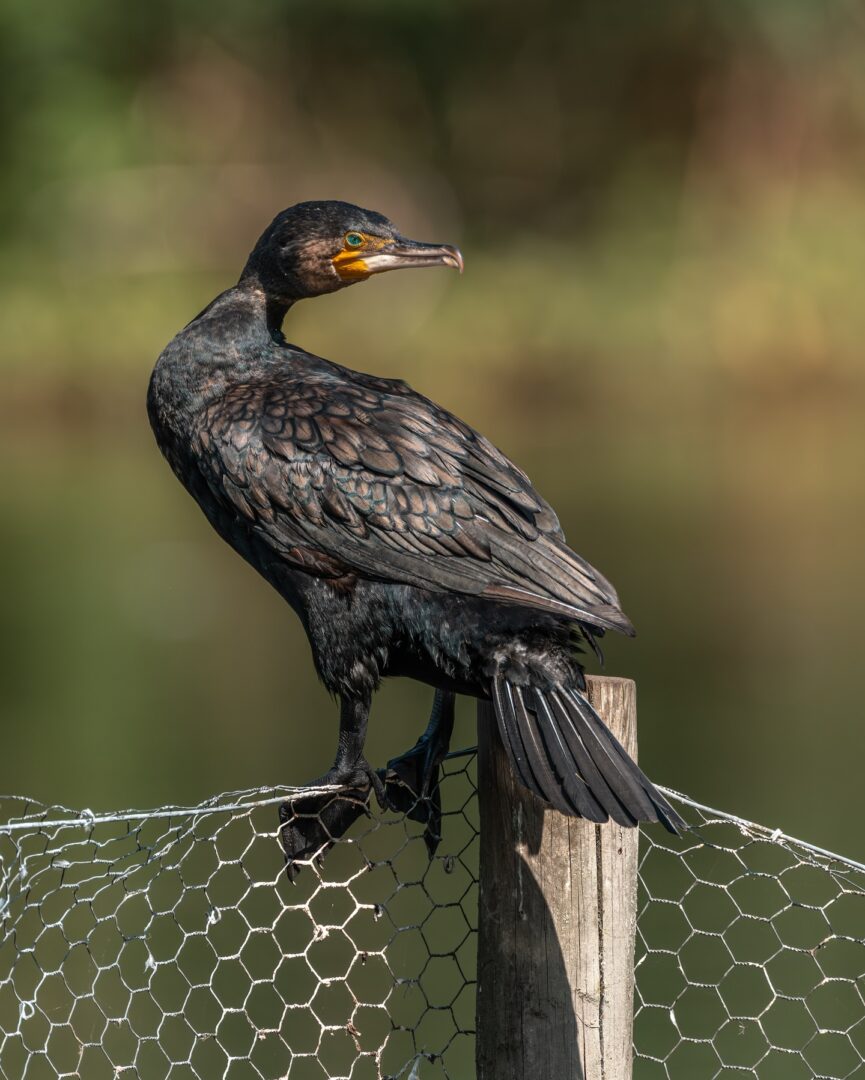
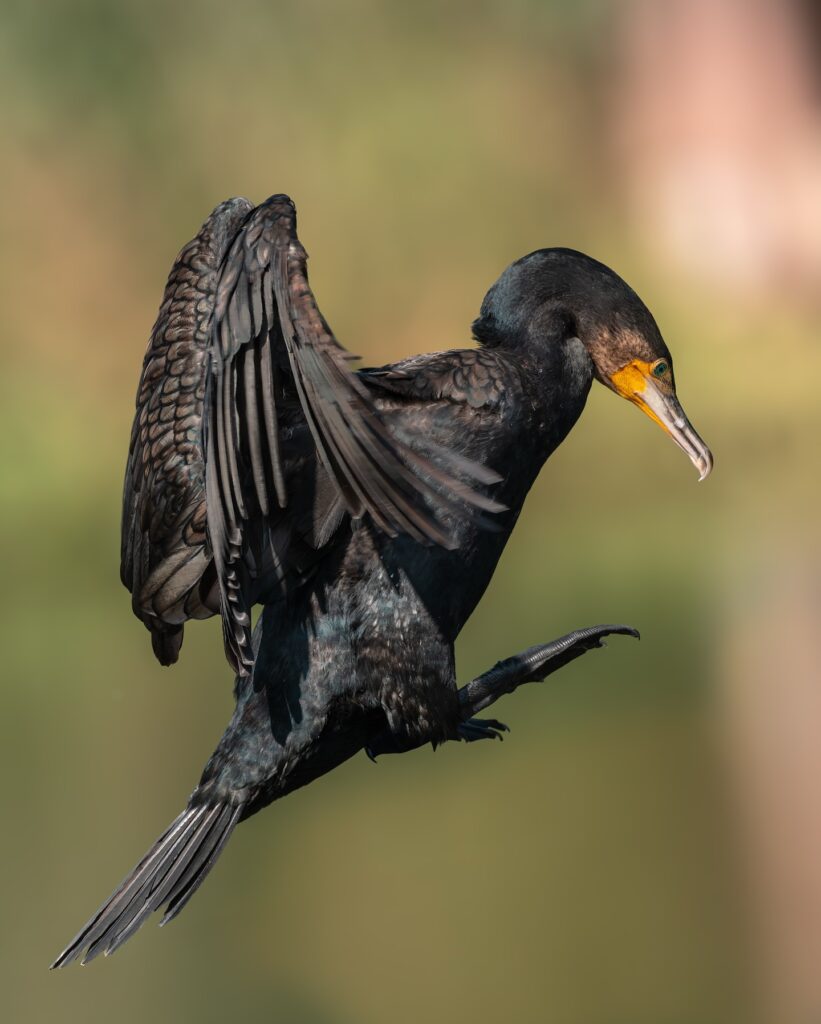
There’s something almost prehistoric about the cormorant. With their piercing turquoise eyes, sharply hooked beaks, and that unmistakable wing-drying pose, they feel like throwbacks to another era. They might not have the glamour of a kingfisher or the drama of a bird of prey, but spend some time with them and you begin to see their beauty in a new light.

The Encounter

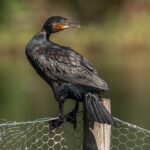
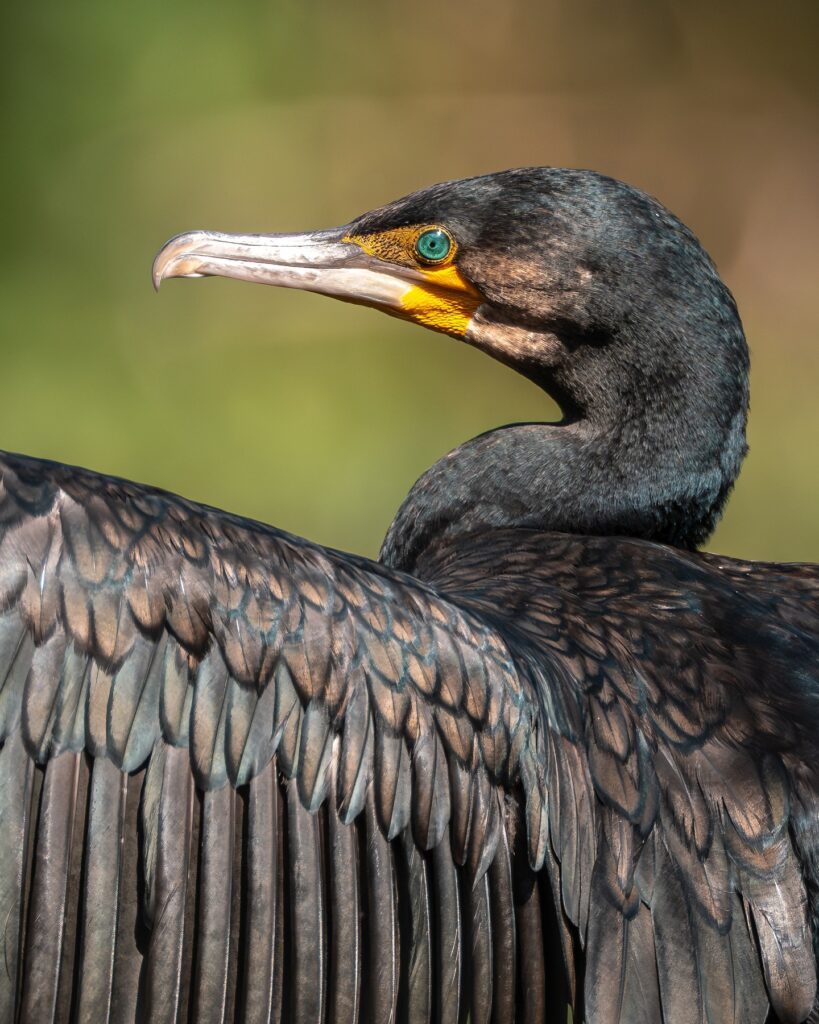
Under perfect sunshine, I was testing out the Sony 600mm with a 2x teleconverter, giving me a reach of 1200mm and it offered a level of detail I’ve never managed before. From a distance, cormorants can appear almost plain, dark silhouettes against the water. But up close, it’s a different story. Their feathers shimmer with iridescence, shifting from deep greens to purples as they preen in the light.

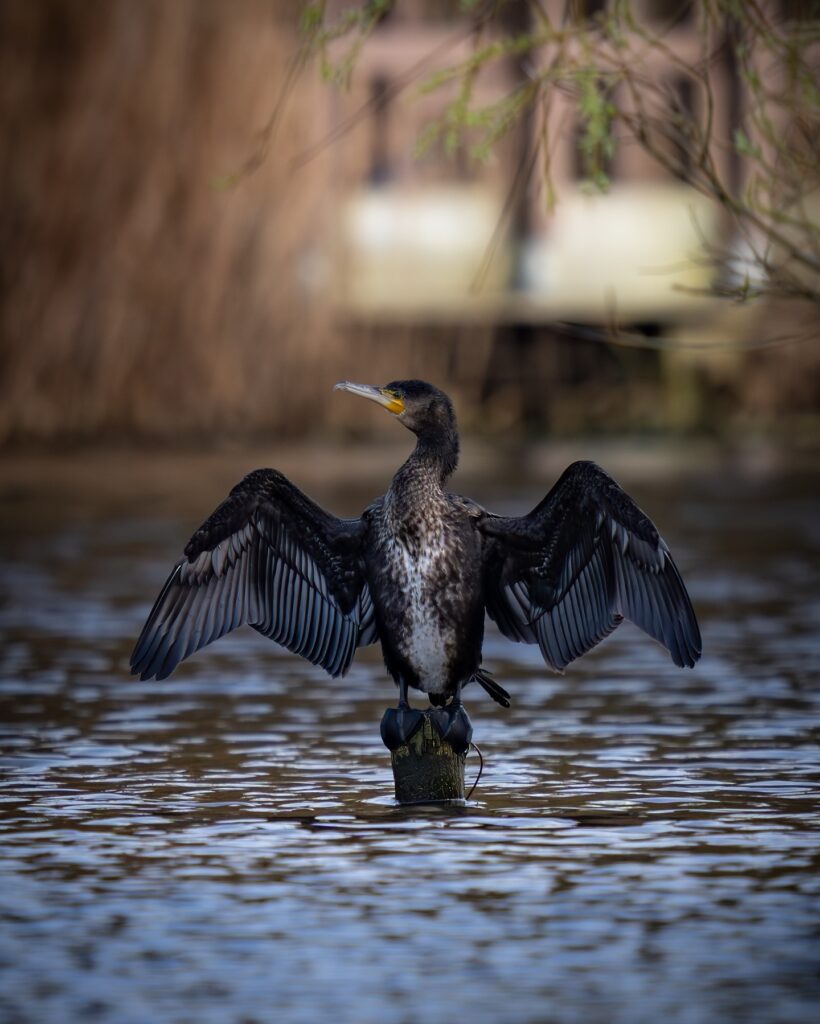
Watching one dry its wings, perfectly still against a backdrop of the water, is like watching a living sculpture. That pose isn’t for show, it’s practical. Unlike many water birds, cormorants don’t have fully waterproof feathers. After diving, they must spread their wings to dry, a behaviour that has become their signature silhouette.

About the Cormorant

Cormorants (Phalacrocorax carbo) are widespread across the UK, commonly found along coasts, estuaries, reservoirs, and large inland lakes. Expert fishers, they dive with remarkable agility, chasing their prey underwater with powerful kicks from their webbed feet. They’re capable of diving several metres deep and can stay submerged for over a minute, emerging with eels, perch, or other fish clamped in their bills.

Despite their hunting skills, cormorants have had a complicated history with humans. They were once heavily persecuted by fishermen who saw them as competition, and even today they sometimes face controversy around fisheries. But ecologically, they are a fascinating and important part of our wetland habitats, thriving both in wild coastal colonies and increasingly inland.

During the breeding season, adults develop white thigh patches and a more pronounced yellow gular patch at the base of their bills. They nest in colonies, often on cliffs or in tall trees, building bulky nests from sticks and seaweed. 

The Shot

On this particular outing, the combination of bright sunlight and long reach gave me the chance to capture intimate portraits, close-ups of the iridescent plumage and sharp detail in the feathers. At 1/1650 sec, f/8, ISO 500, the Sony α1 II and 600mm GM lens with 2x teleconverter gave me the speed and sharpness I needed. Later, I fine-tuned the images in Lightroom, bringing out those subtle green and purple tones that often go unnoticed.

Final Thoughts

Cormorants may not top many birdwatchers’ lists, but when you slow down and pay attention, they reveal a striking beauty and a way of life that is as captivating as any of our more celebrated species. To me, they embody the idea that every bird has its own story, and sometimes the most “ordinary” can turn out to be extraordinary when you take a closer look.

Share This Post Facebook Twitter Pinterest
Prev Post Silent Hunter – Photographing the Barn Owl
Next Post The Mysterious Raccoon Dog
You may also like
Becoming a Páramo Ambassador: A Journey into Ethical Gear and Wild Places.
4 June 2025
in Blog

Becoming a Páramo Ambassador: A Journey into Ethical Gear and Wild Places.

When I first picked up a camera and headed into the wild, I didn’t imagine it would lead me here writing a blog as an ambassador
Eurasian Otters on the Isle of Mull: A Bucket List Encounter
18 July 2024
in Nature

Eurasian Otters on the Isle of Mull: A Bucket List Encounter

As I am standing on the rugged shores of the Isle of Mull, the mist rolling in off the Atlantic, suddenly a sleek shape glides eff
Photographing Gannets at Bempton Cliffs: A Graceful Return
14 October 2024
in Blog+Nature

Photographing Gannets at Bempton Cliffs: A Graceful Return

Witnessing the graceful return of gannets to the UK shores is a breath-taking reminder of nature’s cyclical beauty. Their soarin
Categories
  • Blog
  • Nature
  • Tutorials
  • Workshops
Featured Posts
After the Storm – Photographing the Eurasian Oystercatcher
8 December 2025
The Mysterious Raccoon Dog
19 November 2025
Ancient Silhouettes – Photographing the Cormorant
4 September 2025
Silent Hunter – Photographing the Barn Owl
8 August 2025
Reed Buntings in the Fields of Yorkshire
14 July 2025
Becoming a Páramo Ambassador: A Journey into Ethical Gear and Wild Places.
4 June 2025
GET SOCIAL

INSTAGRAM
@paulbrowning.photography
@snowboard.paul
@macro.paul

TWITTER
@paul__browning_

FACEBOOK
@PaulBrowningPhotography
@snowboardpaul
@macro.paul.surrey

Get in Touch

+44 7956 644 415

info@paulbrowning.photography

Terms & Privacy Policy
Refund Policy

Find me on Insta

GET SOCIAL

INSTAGRAM
@paulbrowning.photography
@snowboard.paul
@macro.paul

TWITTER
@paul__browning_

FACEBOOK
@PaulBrowningPhotography
@snowboardpaul
@macro.paul.surrey

Latest Posts
Photographing Red Deer In Great Britain
Becoming a Páramo Ambassador: A Journey into Ethical Gear and Wild Places.
Chasing Fire and Feathers – Photographing the Firecrest in Surrey
© 2023 Paul Browning Photography. All Rights Reserved. Web Design by Kraft Space.