• HOME
  • PR & Sponsorship
  • Galleries
    • Macro
    • Landscapes
    • Animals & Wildlife
    • Sports
      • Snowsports
      • Team Sports
  • SHOP
    • Lightroom Presets
    • Prints
    • Clothing
  • WORKSHOPS
  • PRESS
  • Collaborations
  • BLOG
    • Nature & Wildlife
    • Latest News
    • Tutorials
    • Workshops
  • Contact
  • HOME
  • PR & Sponsorship
  • Galleries
    • Macro
    • Landscapes
    • Animals & Wildlife
    • Sports
      • Snowsports
      • Team Sports
  • SHOP
    • Lightroom Presets
    • Prints
    • Clothing
  • WORKSHOPS
  • PRESS
  • Collaborations
  • BLOG
    • Nature & Wildlife
    • Latest News
    • Tutorials
    • Workshops
  • Contact
The Reality of Survival – A Juvenile Sparrowhawk
7 October 2026
in Blog+Nature

The Reality of Survival – A Juvenile Sparrowhawk

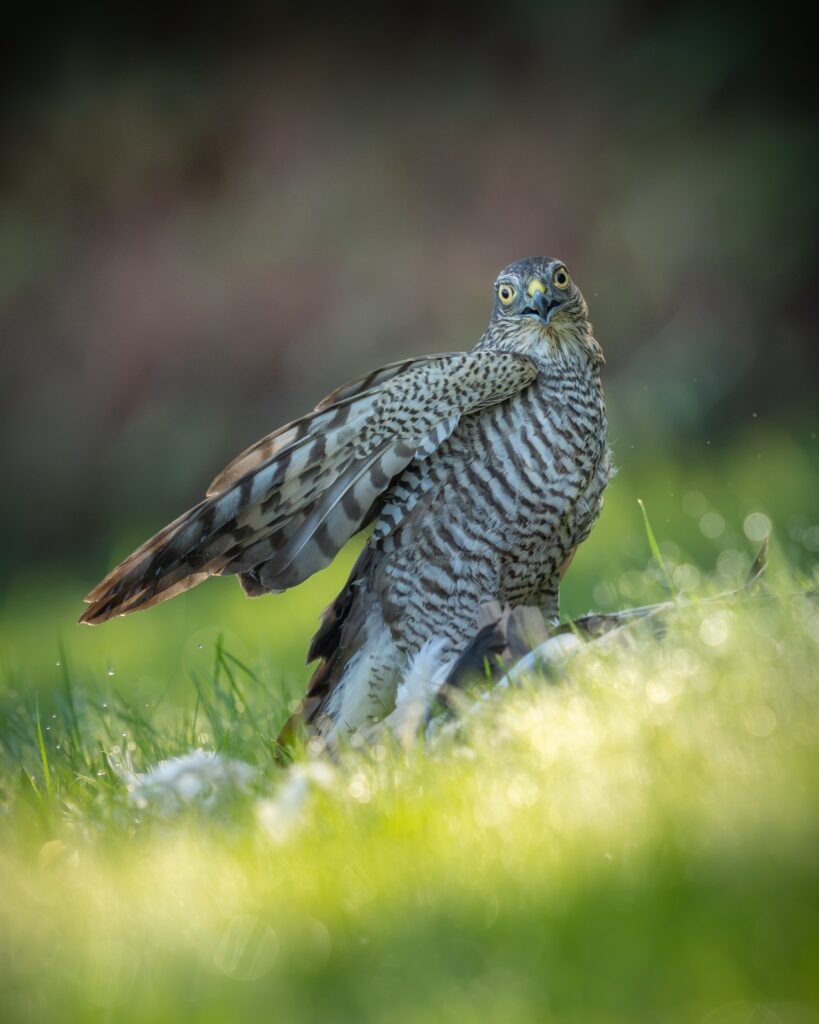
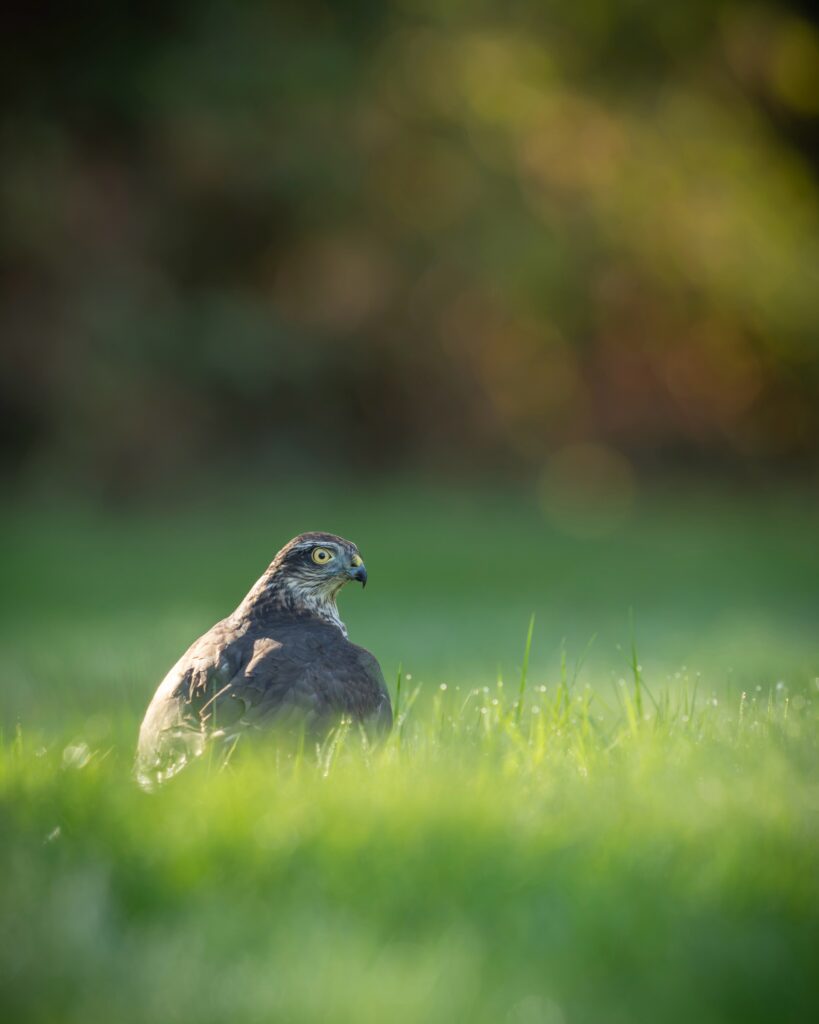
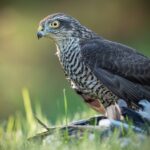
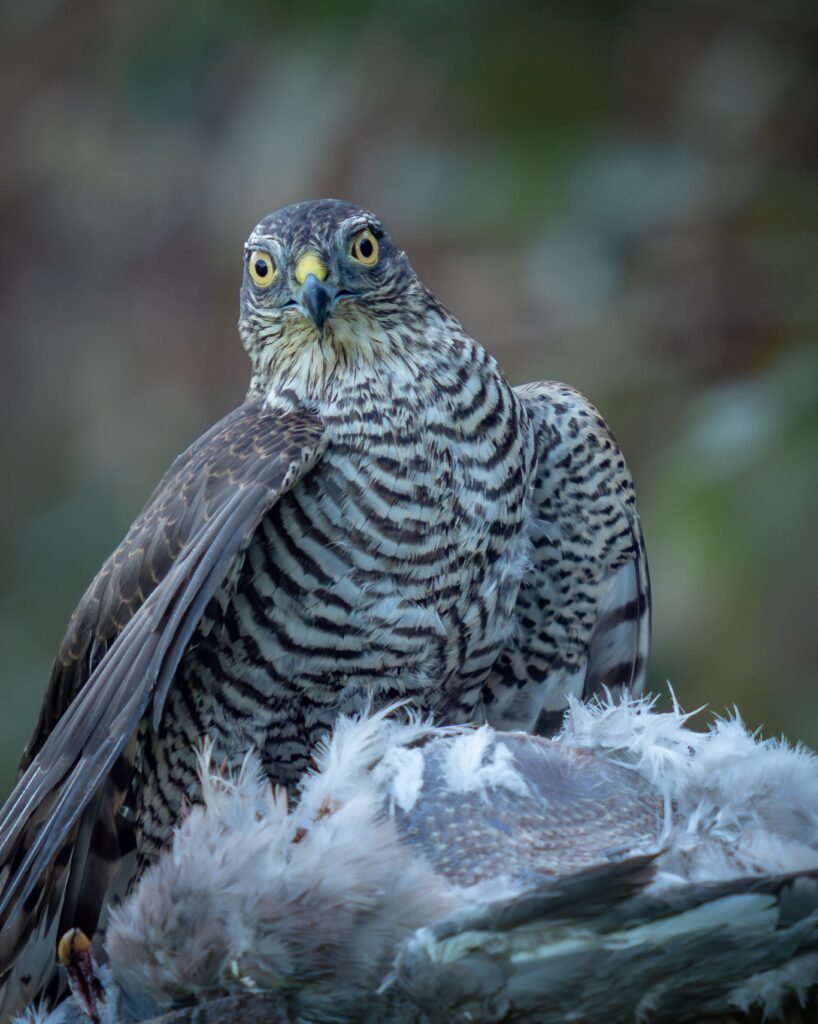
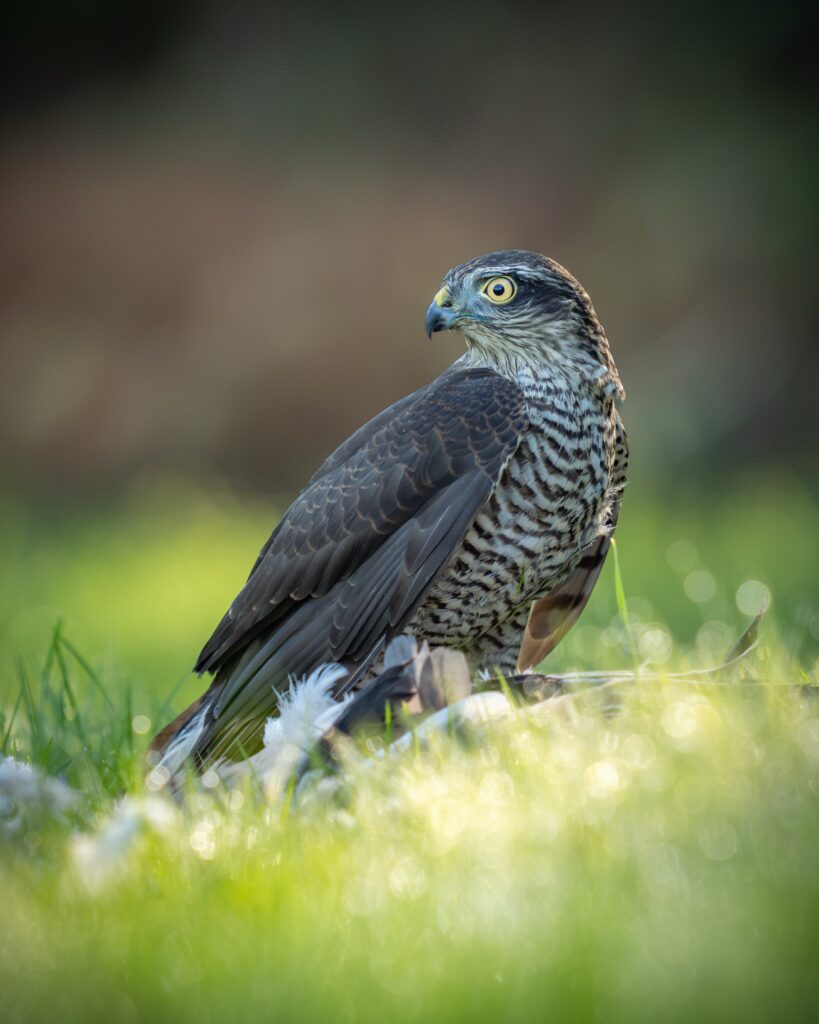
She’d already made the kill when I found her. A freshly caught pigeon lay beneath her, and rather than interfering, I got myself down low and watched at a respectful distance.

What struck me most wasn’t aggression, it was how alert she remained. Even with the pigeon secured beneath her, those yellow eyes were constantly scanning, watching and taking in everything around her, looking for potential threats.

This is a juvenile female sparrowhawk (Accipiter nisus) – still carrying the warm brown plumage and pale yellow eyes that mark her as a young bird, rather than the darker slate-grey and orange appearance of an adult male. Juveniles are warmer brown above with rusty fringes, and coarsely barred below. Those pale yellow eyes will brighten over her first couple of years into the sharp yellow-orange of a mature bird.

Masters of the Hunt

Sparrowhawks are woodland hunters, perfectly adapted for navigating through trees and shrubs at speed. Their short, rounded wings and long tail give them incredible manoeuvrability – they can turn on a sixpence, accelerate rapidly, and thread through branches that seem impossibly tight. They hunt birds of all sizes, from blue tits to pigeons, relying on surprise and speed rather than brute force.

Females are significantly larger than males, sometimes almost twice the weight. This size difference matters as larger females can tackle bigger prey like pigeons and doves, while smaller males focus on smaller birds. Juveniles like the one I photographed are more vulnerable than adults. They’re still learning to hunt efficiently, and every kill is crucial to their survival. The energy cost of hunting is enormous; a failed hunt can mean genuine hunger.

The Difficult Truth

Photographs like these sometimes make people uncomfortable and I understand that, but predation is part of wildlife. One bird loses its life so another survives – that’s just how nature works.

I watch this almost every day in my work and I’d rather photograph the reality of it than pretend the difficult bits don’t happen.

Why This Matters

I photograph difficult moments like this because I think it’s important. Wildlife photography has a responsibility to show the complete picture, not just the beautiful moments, but the real ones too. The moments that make us uncomfortable are often the moments that teach us something vital about how nature actually works.

Tagged In nature, nature photography, paul browning, photography, wildlife
Share This Post Facebook Twitter Pinterest
Prev Post The Hunt for Bearded Reedling – A Tale of Unexpected Finds
You may also like
Photographing Red Deer In Great Britain
29 March 2023
in Nature

Photographing Red Deer In Great Britain

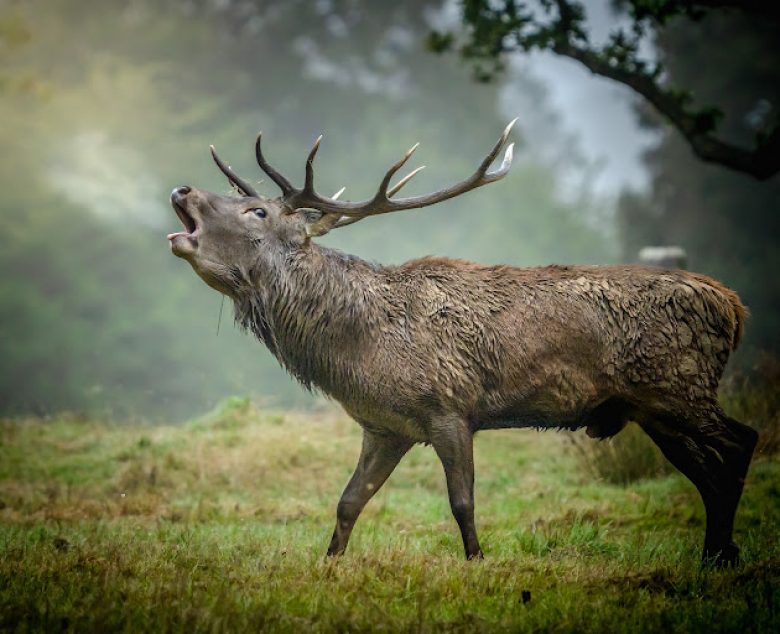
Photographing Red Deer In Great Britain Red deer (Cervus Elaphus) GB population 350,000Height 110-120cm Weight unto 225kg Lifespan
Puffins of the Isle of Lunga: The Charismatic ‘Sea Parrots’
18 June 2024
in Nature

Puffins of the Isle of Lunga: The Charismatic ‘Sea Parrots’

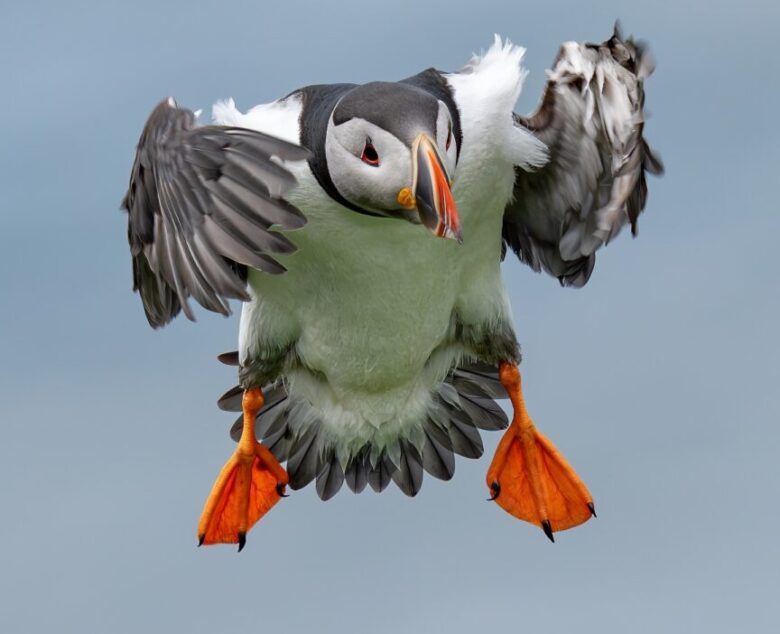
Located in the Treshnish Isles of Scotland, Lunga is a haven not only for wildlife enthusiasts but also for conservationists, who
Feathers and Families – Photographing the Great Crested Grebe
10 April 2026
in Blog+Nature

Feathers and Families – Photographing the Great Crested Grebe

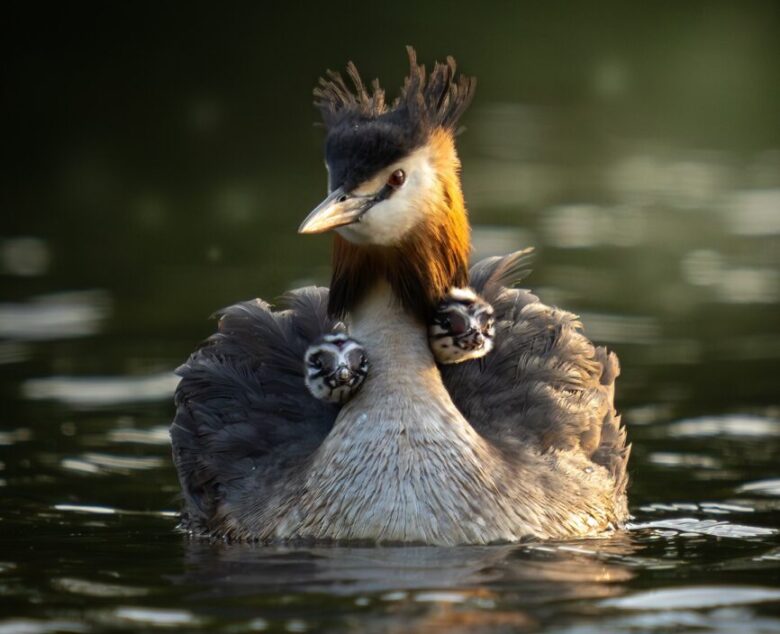
I’ve been following the same pair of great crested grebes (Podiceps cristatus) for six years now. It’s become somethin
Categories
  • Blog
  • Nature
  • Tutorials
  • Workshops
Featured Posts
The Reality of Survival – A Juvenile Sparrowhawk
7 October 2026
The Hunt for Bearded Reedling – A Tale of Unexpected Finds
3 September 2026
First Flight: A Goodbye to Young Barn Owls in Northumberland
5 August 2026
Silent Waters – An Evening with England’s Wild Beavers
6 July 2026
Passing on the Photography Flame
2 June 2026
Fleeting Encounters – Photographing the Short-eared Owl at Bempton Cliffs
6 May 2026
GET SOCIAL

INSTAGRAM
@paulbrowning.photography
@snowboard.paul
@macro.paul

X
@paul__browning_

FACEBOOK
@paulbrowning.photography
@snowboardpaul
@macro.paul.surrey

Get in Touch

+44 7956 644 415

info@paulbrowning.photography

Terms & Privacy Policy
Refund Policy

Find me on Insta

GET SOCIAL

INSTAGRAM
@paulbrowning.photography
@snowboard.paul
@macro.paul

X
@paul__browning_

FACEBOOK
@paulbrowning.photography
@snowboardpaul
@macro.paul.surrey

Latest Posts
Puffins of the Isle of Lunga: The Charismatic ‘Sea Parrots’
Workshops
Fleeting Encounters – Photographing the Short-eared Owl at Bempton Cliffs
© 2023 Paul Browning Photography. All Rights Reserved. Web Design by Kraft Space.

Sign up to our newsletter

Register for my newsletter to receive workshop updates, the latest tuition, talks and presentations, as well as insights into where I will be travelling next and what I will be hoping to photograph!