• HOME
  • PR & Sponsorship
  • Galleries
    • Macro
    • Landscapes
    • Animals & Wildlife
    • Sports
      • Snowsports
      • Team Sports
  • SHOP
    • Lightroom Presets
    • Prints
    • Clothing
  • WORKSHOPS
  • PRESS
  • Collaborations
  • BLOG
    • Nature & Wildlife
    • Latest News
    • Tutorials
    • Workshops
  • Contact
  • HOME
  • PR & Sponsorship
  • Galleries
    • Macro
    • Landscapes
    • Animals & Wildlife
    • Sports
      • Snowsports
      • Team Sports
  • SHOP
    • Lightroom Presets
    • Prints
    • Clothing
  • WORKSHOPS
  • PRESS
  • Collaborations
  • BLOG
    • Nature & Wildlife
    • Latest News
    • Tutorials
    • Workshops
  • Contact
Diffusing light from your flash
6 October 2020
in Tutorials

Diffusing light from your flash

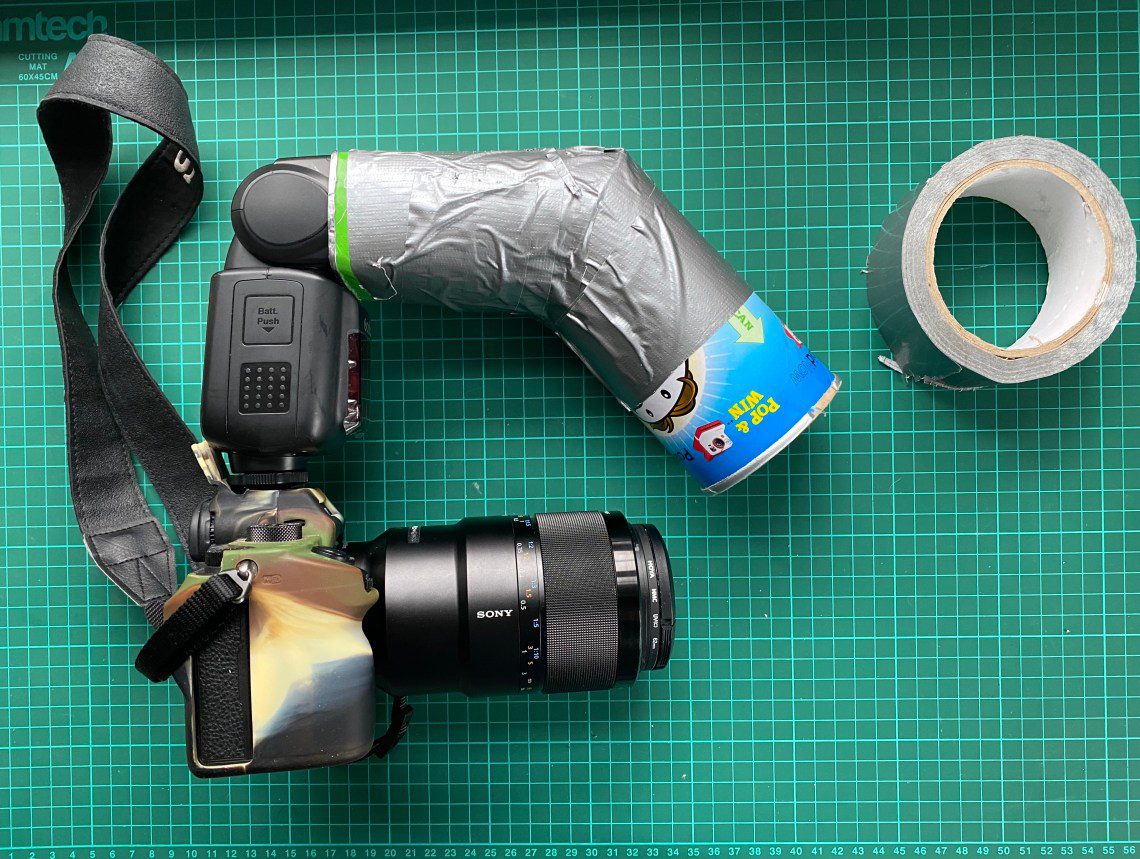
Diffusing light is something I’ll never be happy with, and am constantly trying new ideas and diffusers. When you are out in the field you need something that you can carry in your bag easily and most importantly – doesn’t spook the insects or subjects you are shooting.


This Blog entry is how to build a home made diffuser from a Pringles can, and the results from it.

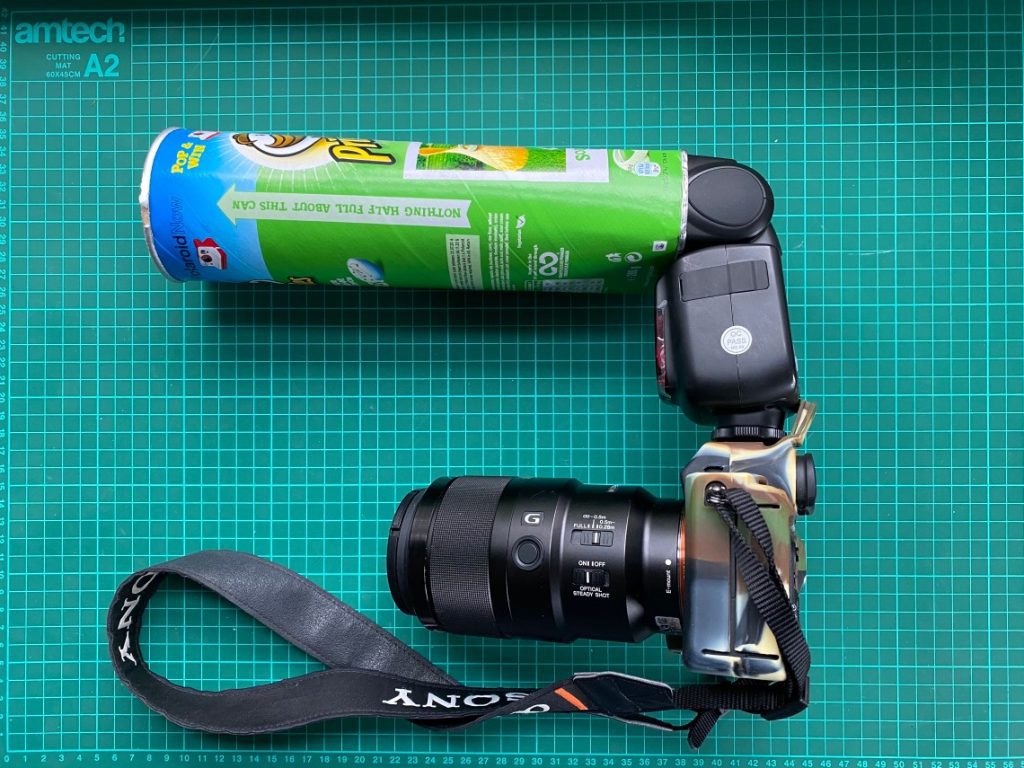
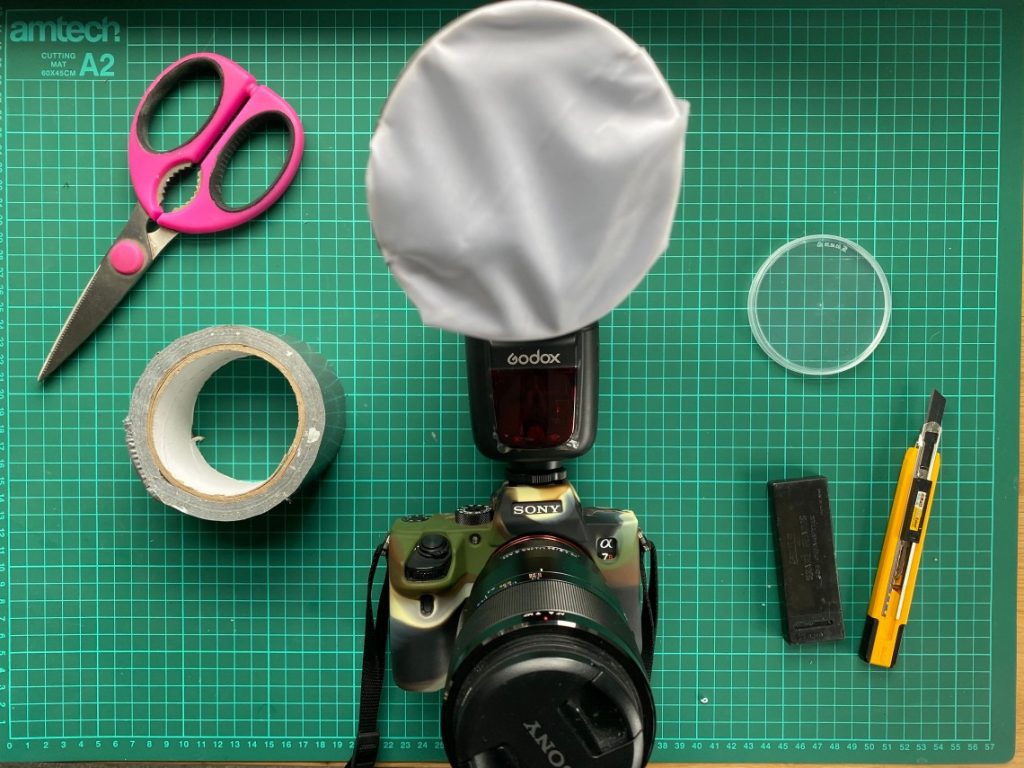
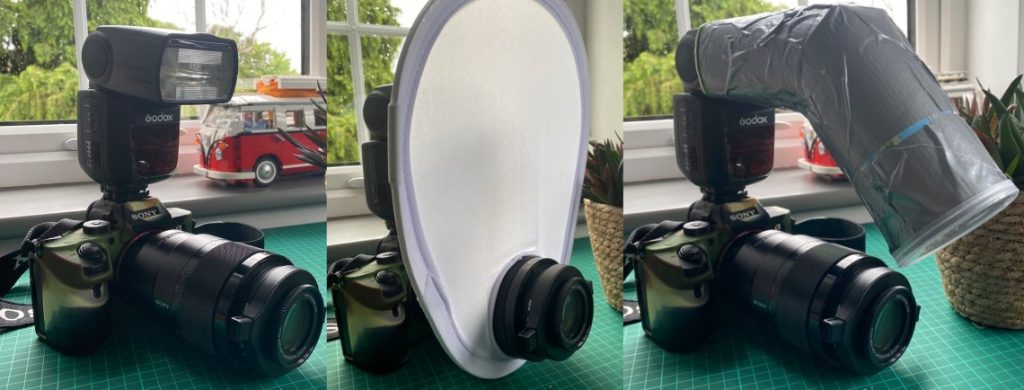
I use a Godox V860ii speedlite on top of my Sony A7riii Camera, with the 90mm macro and a Raynox 250.

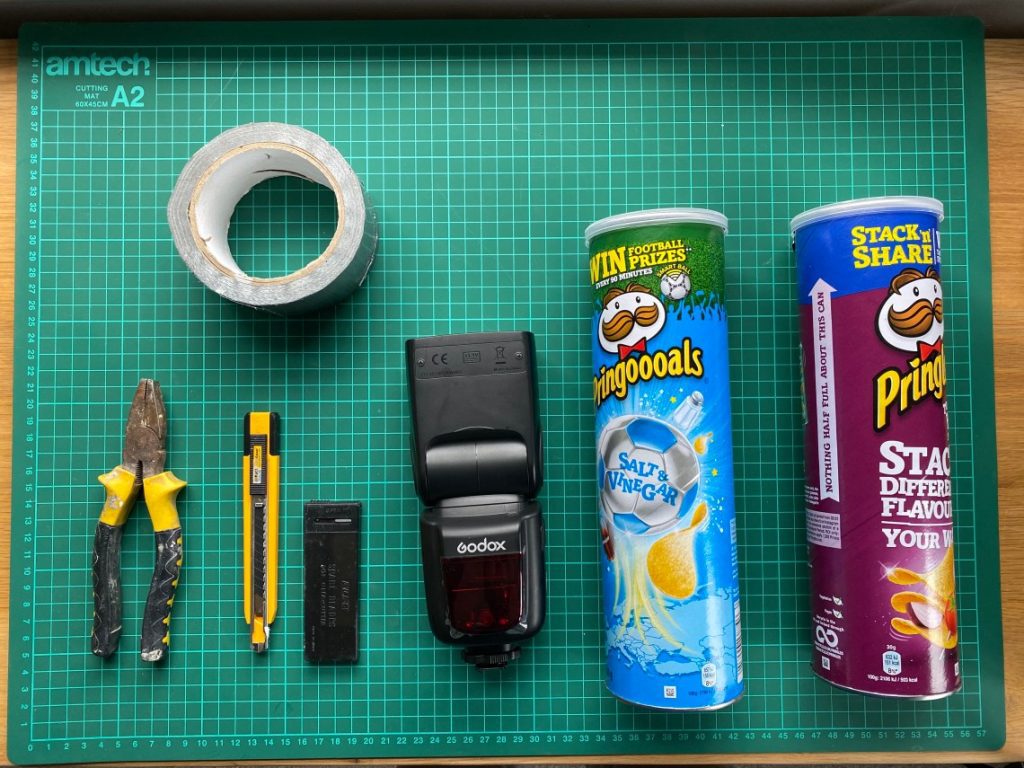
What you’ll need:

Pringles cans

A knife

Pliers

Gaffa tape

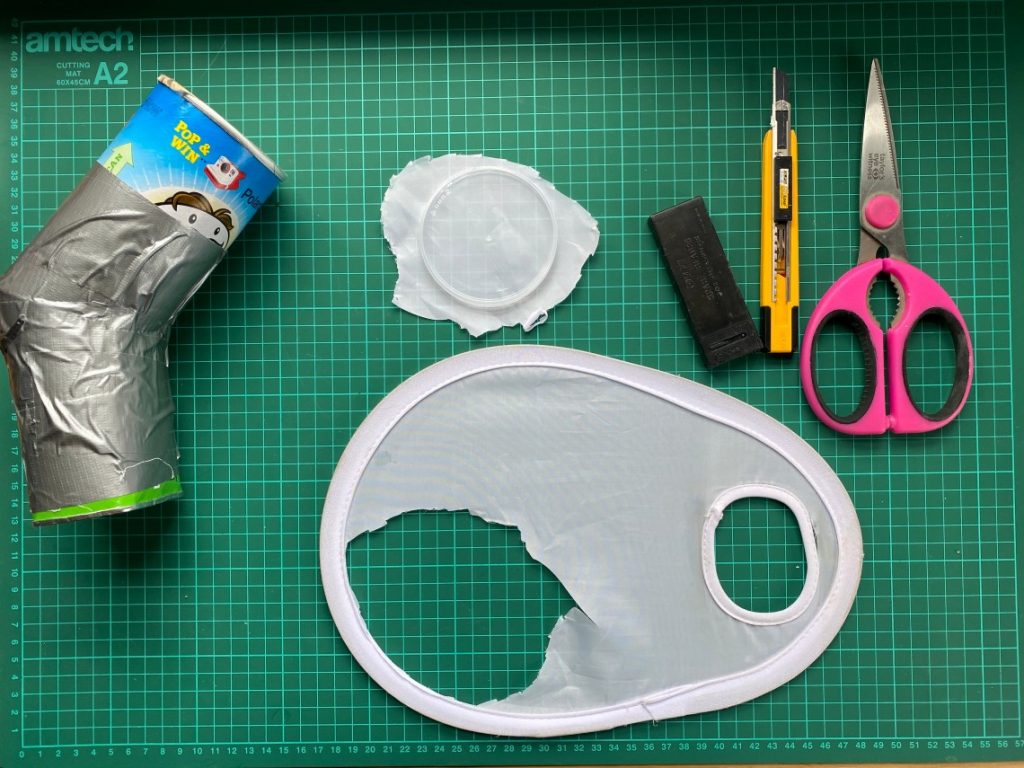
Light diffuser materials or plastic

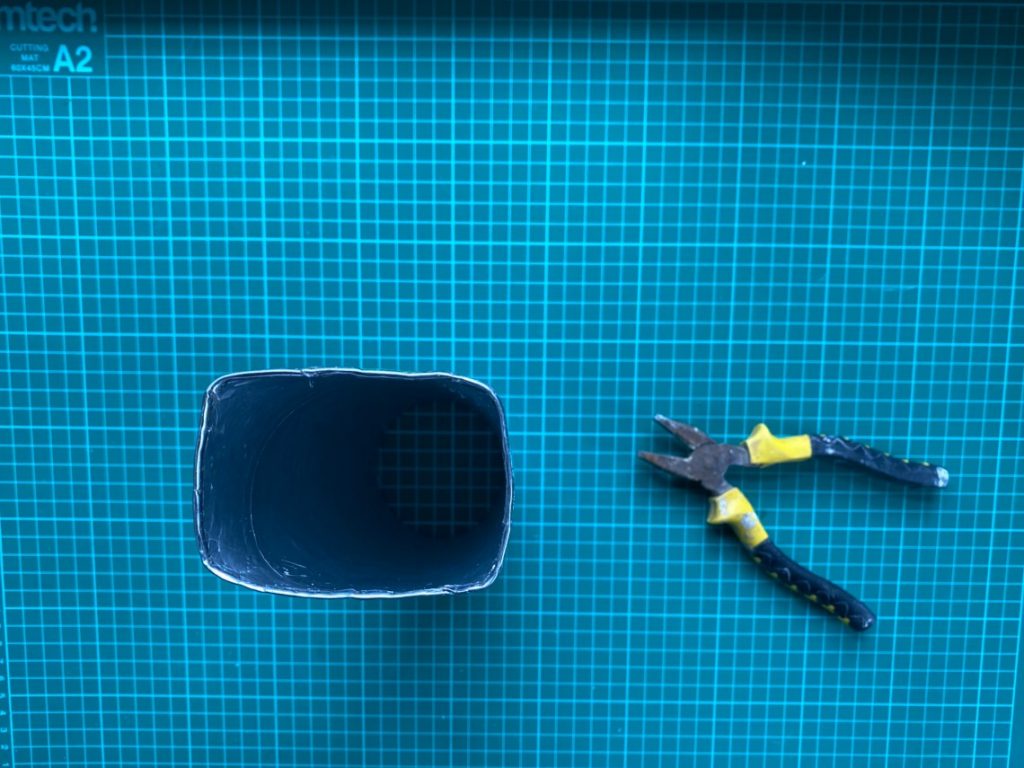
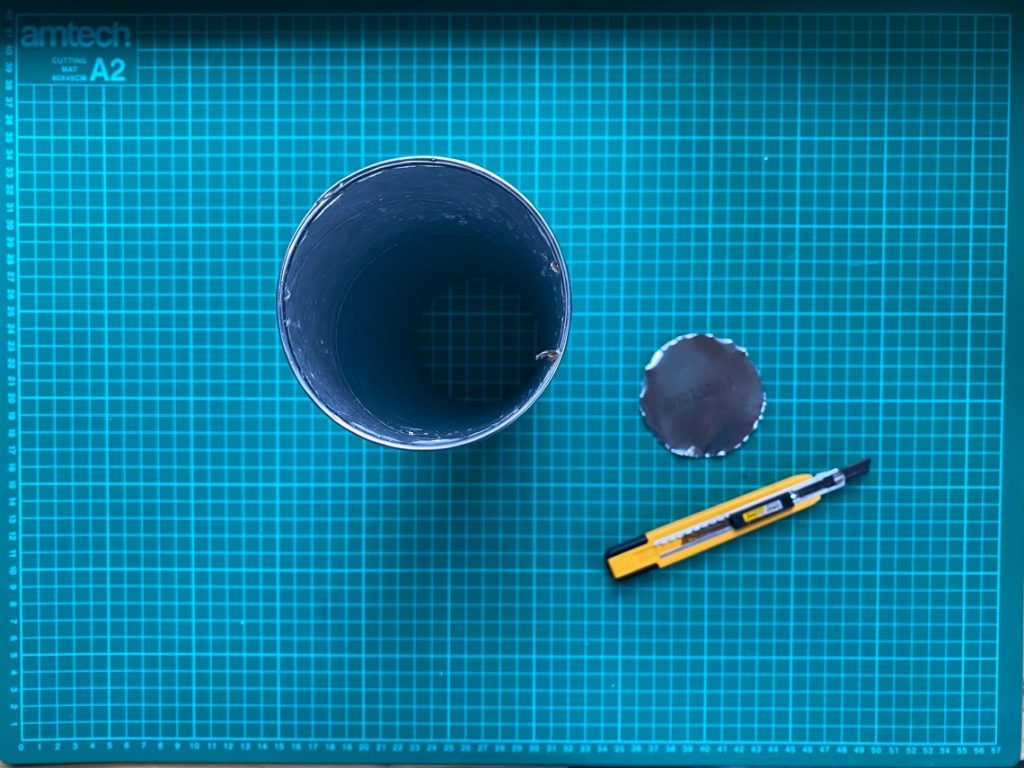
First, after emptying the can and eating all the Pringles, give it a wipe inside with a damp cloth then cut out the end of the can (leaving the metal rim).

Using the pliers, carefully bend the metal rim into a square shape to fit your flash head (make sure you don’t leave any sharp edges that can damage your flash).

Make sure it fits nicely, and do any extra shaping of the metal rim around your flash by gently pressing on it.
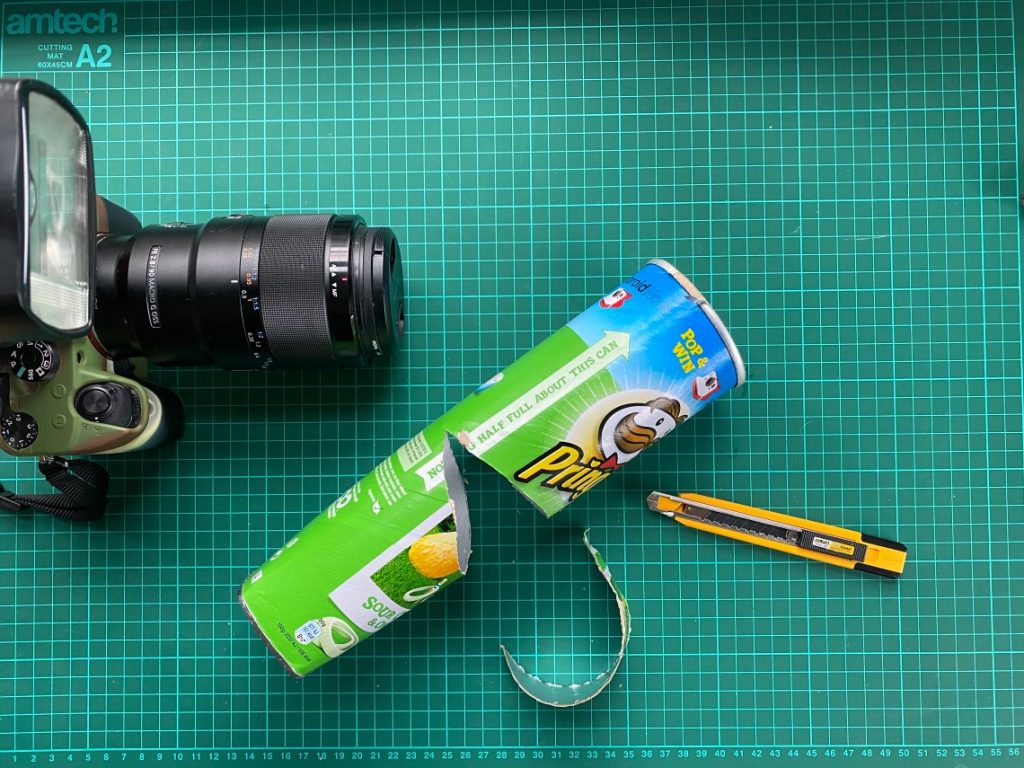
Cut out an elbow from the can, making sure you don’t completely cut around the can.
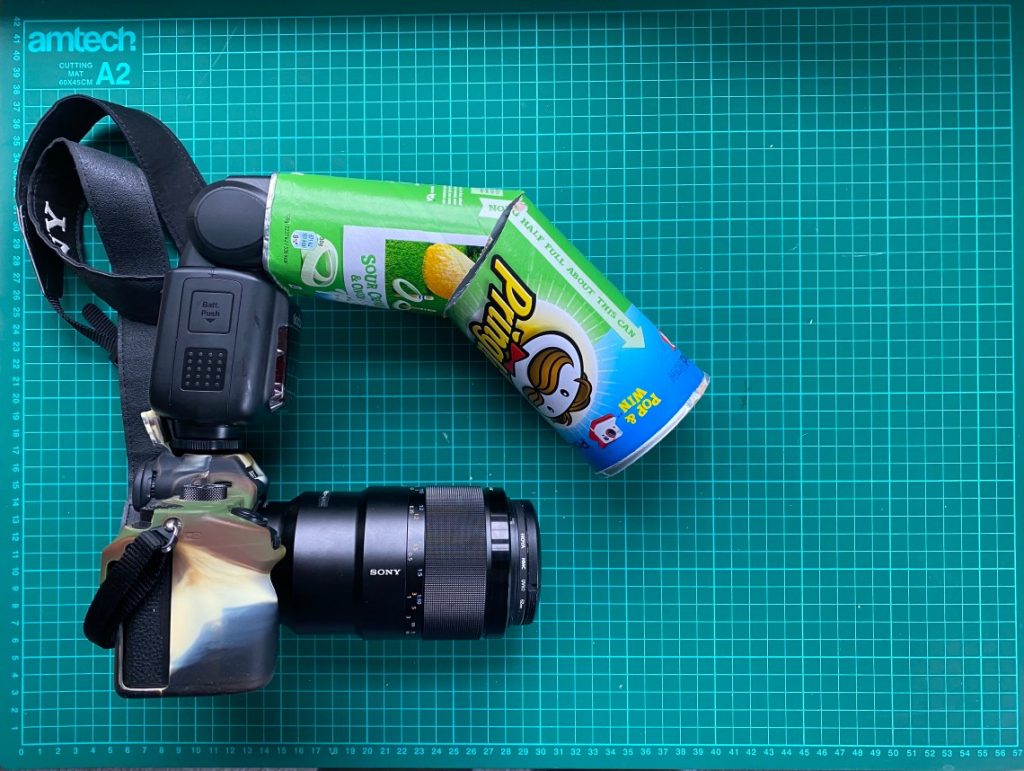
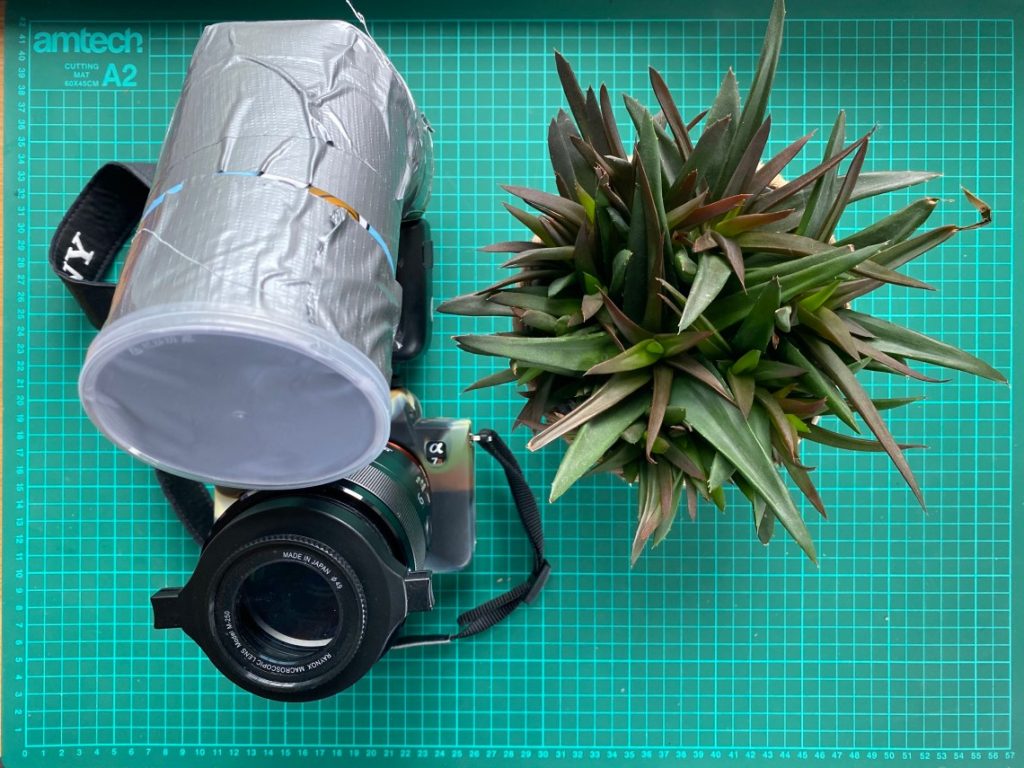
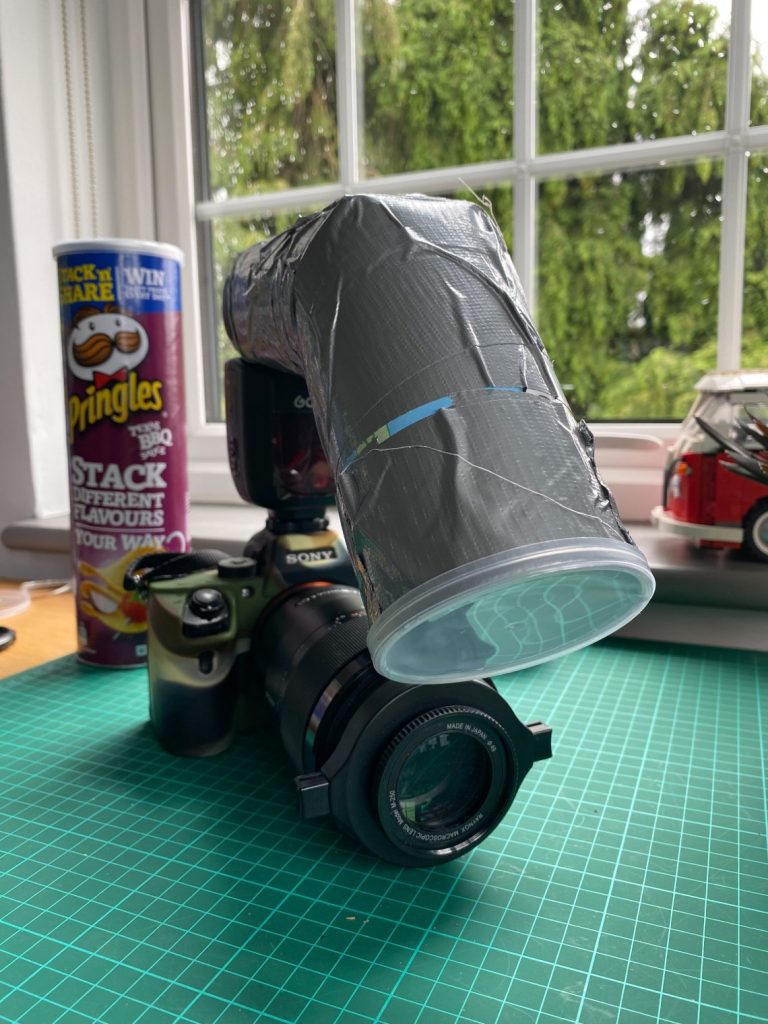
You want the angle to be just right to be above your subject (check your lens nearest focal distance). I’ll be using a Raynox 250 magnifier, so I need it just over the lens.

Strengthen the angled part with Gaffa / Duck tape.

For the end of the can I’m going to use material from an old diffuser (you can experiment here and try baking paper or plastic, or even bubble wrap).
Using the Duck tape again to attach the material on the end of the tube.
Again, do some experimenting yourself whether the plastic cap works for you (I found it quite good at diffusing the light a bit more).

You can see here, with the Raynox 250 on the lens, the rim of the diffuser is just resting on the top (because my minimum focus distance is about 11cm).

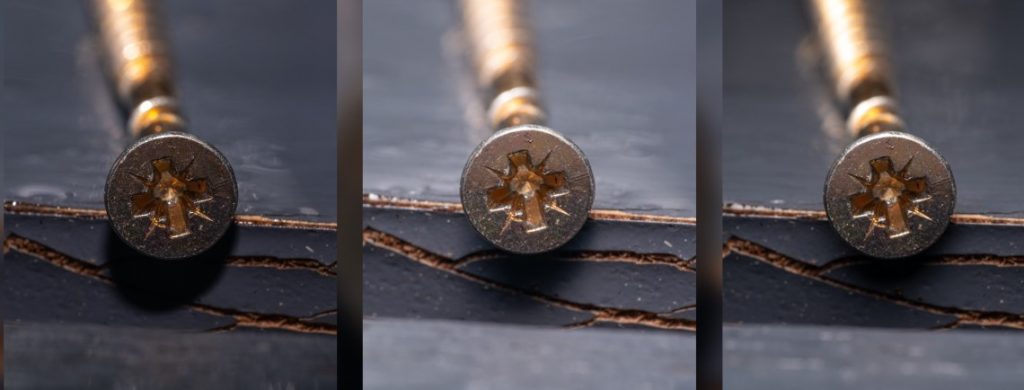
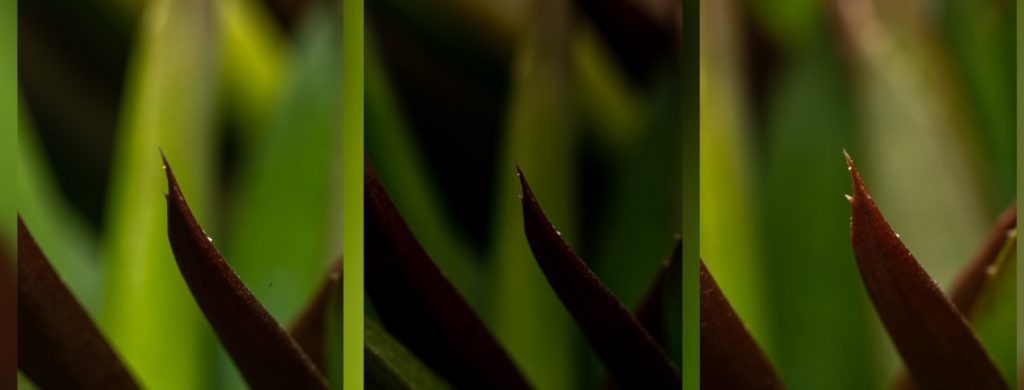
ave a look at some comparisons. Firstly without any diffusing, second with a material generic diffuser and lastly with the pringle can.
The Results speak for themselves I think… As you can see above, I’m not losing all the light going behind the subject like with the material diffuser and I’m not over shadowing the subject like a bare flash, and its giving me sharp definition. I’m looking forward to testing it out in the field, join me on Instagram to see the results!
Tagged In diffusing light, light diffuser tricks, photography tutorial, sony a7riii
Share This Post Facebook Twitter Pinterest
Next Post Why I love Macro
Let us know your thoughts about this topic Cancel reply

Your email address will not be published. Required fields are marked *

You may also like
Reed Buntings in the Fields of Yorkshire
14 July 2025
in Nature

Reed Buntings in the Fields of Yorkshire

There’s something about the stillness of an open field in early spring that always pulls me in. On this recent trip to Yorkshire
Photographing Gannets at Bempton Cliffs: A Graceful Return
14 October 2024
in Blog+Nature

Photographing Gannets at Bempton Cliffs: A Graceful Return

Witnessing the graceful return of gannets to the UK shores is a breath-taking reminder of nature’s cyclical beauty. Their soarin
The story of the little owl and how it arrived in England
22 March 2023
in Nature

The story of the little owl and how it arrived in England

The story of the little owl and how it arrived in England Little Owl (Athene Noctua) GB population 6,000 pairs Length 22cm (adult)
Categories
  • Blog
  • Nature
  • Tutorials
  • Workshops
Featured Posts
Feathers and Families – Photographing the Great Crested Grebe
10 April 2026
Crowned in the Pines – Photographing the Crested Tit
3 March 2026
Whispers in the Reeds – Photographing the Bearded Reedling
30 January 2026
After the Storm – Photographing the Eurasian Oystercatcher
8 December 2025
The Mysterious Raccoon Dog
19 November 2025
Ancient Silhouettes – Photographing the Cormorant
4 September 2025
GET SOCIAL

INSTAGRAM
@paulbrowning.photography
@snowboard.paul
@macro.paul

X
@paul__browning_

FACEBOOK
@paulbrowning.photography
@snowboardpaul
@macro.paul.surrey

Get in Touch

+44 7956 644 415

info@paulbrowning.photography

Terms & Privacy Policy
Refund Policy

Find me on Insta

GET SOCIAL

INSTAGRAM
@paulbrowning.photography
@snowboard.paul
@macro.paul

X
@paul__browning_

FACEBOOK
@paulbrowning.photography
@snowboardpaul
@macro.paul.surrey

Latest Posts
Workshops
Wolverines in Finland: A Wildlife Photographer’s Dream
Chasing Blue Tits in the Blossoms: A Springtime Obsession
© 2023 Paul Browning Photography. All Rights Reserved. Web Design by Kraft Space.

Sign up to our newsletter

Register for my newsletter to receive workshop updates, the latest tuition, talks and presentations, as well as insights into where I will be travelling next and what I will be hoping to photograph!