• HOME
  • PR & Sponsorship
  • Galleries
    • Macro
    • Landscapes
    • Animals & Wildlife
    • Sports
      • Snowsports
      • Team Sports
  • SHOP
    • Lightroom Presets
    • Prints
    • Clothing
  • WORKSHOPS
  • PRESS
  • Collaborations
  • BLOG
    • Nature & Wildlife
    • Latest News
    • Tutorials
    • Workshops
  • Contact
  • HOME
  • PR & Sponsorship
  • Galleries
    • Macro
    • Landscapes
    • Animals & Wildlife
    • Sports
      • Snowsports
      • Team Sports
  • SHOP
    • Lightroom Presets
    • Prints
    • Clothing
  • WORKSHOPS
  • PRESS
  • Collaborations
  • BLOG
    • Nature & Wildlife
    • Latest News
    • Tutorials
    • Workshops
  • Contact
Chasing Fire and Feathers – Photographing the Firecrest in Surrey
4 March 2025
in Blog+Nature

Chasing Fire and Feathers – Photographing the Firecrest in Surrey

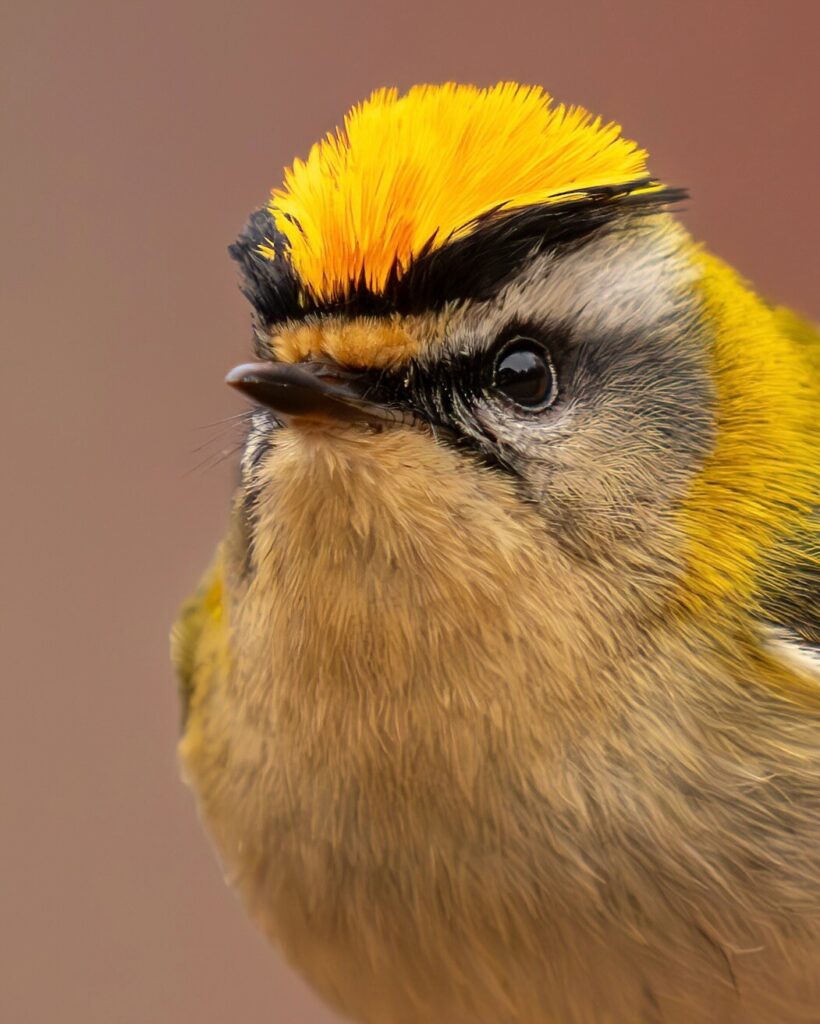
Arguably Britain’s rarest breeding bird, the firecrest is a true gem—small, elusive, and flashing its fiery crown as it flits through dense foliage. For any wildlife photographer, capturing this bird is both a challenge and a thrill. Unlike some species that kindly sit still for a moment or two, the firecrest is constantly on the move, darting through the canopy, always just out of reach. But that’s what makes photographing it all the more rewarding.

The Quest for the Firecrest

I’d heard whispers of firecrests inhabiting a patch of woodland in Surrey, a mix of old pine and holly—exactly the kind of dense cover they love. Getting a glimpse is one thing; getting a decent photograph is another entirely. These birds are smaller than a goldcrest, with a striking orange-and-black striped crown and a bold attitude that belies their tiny stature.

I set out early, knowing that the best chance of spotting one would be in the cooler, quieter hours of the morning. Firecrests are surprisingly vocal for their size, their high-pitched calls slicing through the rustling of the leaves. Listening carefully, I followed the sound, moving slowly, hoping to get a good line of sight before they disappeared into the thickets once more. 

Settings & Gear

For a subject as quick and erratic as the firecrest, the right gear and settings are essential. I used the Sony α1 paired with a 400mm GM lens and a 1.4x teleconverter, giving me the reach I needed to track this tiny bird without disturbing it. My settings were dialed in at 1/800 sec, f/4, and ISO 500—a balance between speed and light that allowed me to freeze the bird’s movement while keeping noise under control.

Photographing a firecrest requires patience. They don’t pose. They don’t stop to consider the perfect composition. They move fast, flitting from branch to branch, disappearing in an instant. Tracking them through the viewfinder is like trying to follow a tiny ember flickering in the wind. It’s an exercise in anticipation—you have to predict where they’ll land, position yourself accordingly, and be ready the second they break cover.

The Shot

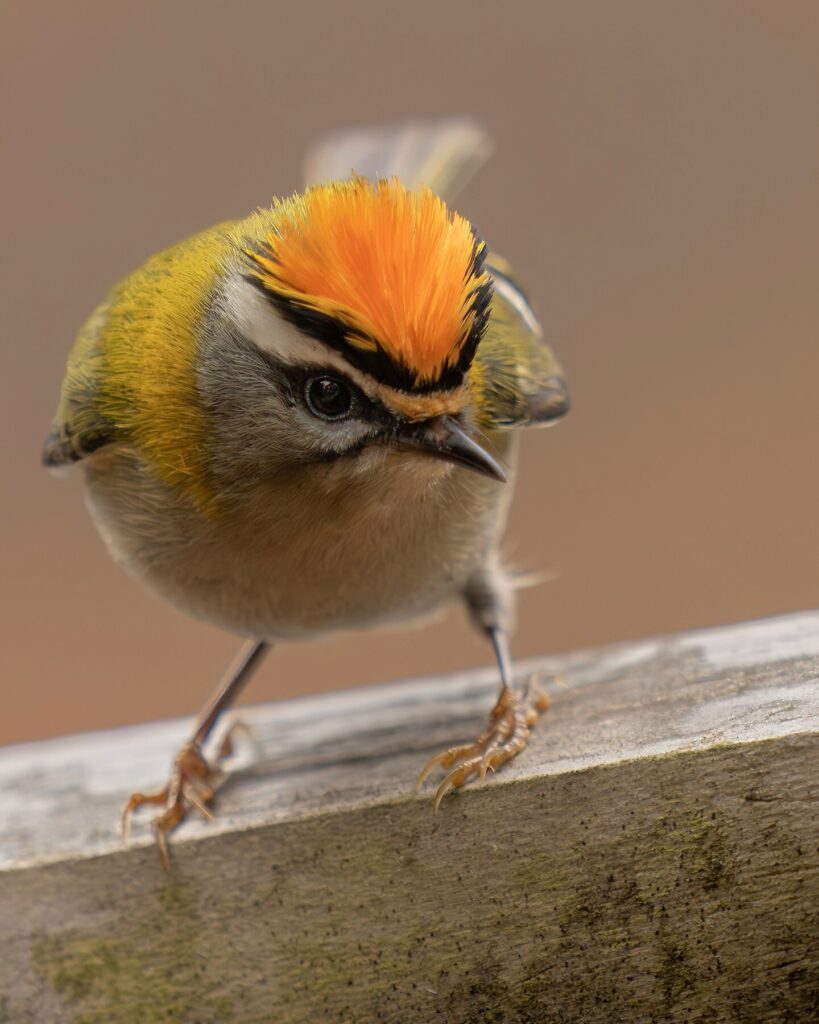
The challenge, of course, is getting the shot but lucky for me, he decided to flit along a fenceline. A male firecrest, perched just long enough for me to grab a burst of shots, before moving along to another spot.

The result? A crisp image of this fiery little bird, head turned slightly to the side, crest flared, looking every bit as bold as its reputation suggests.

Photographing the firecrest isn’t just about getting a perfect shot—it’s about the experience. It’s about standing in an ancient woodland, listening to the rustling leaves, and knowing that somewhere nearby, a tiny bird with a crown of flames is going about its day, completely unaware of just how special it is. And that, for me, is what makes wildlife photography so addictive.


Tagged In nature, nature photography, paul browning, photography, wildlife
Share This Post Facebook Twitter Pinterest
Prev Post How to Help Foxes This Spring: Support Your Local Wildlife Rescue Centre
Next Post Chasing Blue Tits in the Blossoms: A Springtime Obsession
You may also like
Crowned in the Pines – Photographing the Crested Tit
3 March 2026
in Blog+Nature

Crowned in the Pines – Photographing the Crested Tit

On my last trip to Estonia (one of those trips that serves you with incredible moments before you’ve even had time to process th
The Grey Seals of St.Ives, Cornwall
22 March 2023
in Nature

The Grey Seals of St.Ives, Cornwall

The grey seals of St.Ives, Cornwall Grey Seal (Halichoerus grypus) GB population 120,000 Length 2.6 metres (adult) Weight 300k
What’s in my camera bag?
6 October 2020
in Blog

What’s in my camera bag?

Sony α7R III 35mm full-frame camera with autofocus (ILCE-7RM3) My first camera and now my second camera at events or used for vid
Categories
  • Blog
  • Nature
  • Tutorials
  • Workshops
Featured Posts
Feathers and Families – Photographing the Great Crested Grebe
10 April 2026
Crowned in the Pines – Photographing the Crested Tit
3 March 2026
Whispers in the Reeds – Photographing the Bearded Reedling
30 January 2026
After the Storm – Photographing the Eurasian Oystercatcher
8 December 2025
The Mysterious Raccoon Dog
19 November 2025
Ancient Silhouettes – Photographing the Cormorant
4 September 2025
GET SOCIAL

INSTAGRAM
@paulbrowning.photography
@snowboard.paul
@macro.paul

X
@paul__browning_

FACEBOOK
@paulbrowning.photography
@snowboardpaul
@macro.paul.surrey

Get in Touch

+44 7956 644 415

info@paulbrowning.photography

Terms & Privacy Policy
Refund Policy

Find me on Insta

GET SOCIAL

INSTAGRAM
@paulbrowning.photography
@snowboard.paul
@macro.paul

X
@paul__browning_

FACEBOOK
@paulbrowning.photography
@snowboardpaul
@macro.paul.surrey

Latest Posts
Silent Hunter – Photographing the Barn Owl
Where to photograph Atlantic Puffins in the UK
Ancient Silhouettes – Photographing the Cormorant
© 2023 Paul Browning Photography. All Rights Reserved. Web Design by Kraft Space.

Sign up to our newsletter

Register for my newsletter to receive workshop updates, the latest tuition, talks and presentations, as well as insights into where I will be travelling next and what I will be hoping to photograph!