• HOME
  • PR & Sponsorship
  • Galleries
    • Macro
    • Landscapes
    • Animals & Wildlife
    • Sports
      • Snowsports
      • Team Sports
  • SHOP
    • Lightroom Presets
    • Prints
    • Clothing
  • WORKSHOPS
  • PRESS
  • Collaborations
  • BLOG
    • Nature & Wildlife
    • Latest News
    • Tutorials
    • Workshops
  • Contact
  • HOME
  • PR & Sponsorship
  • Galleries
    • Macro
    • Landscapes
    • Animals & Wildlife
    • Sports
      • Snowsports
      • Team Sports
  • SHOP
    • Lightroom Presets
    • Prints
    • Clothing
  • WORKSHOPS
  • PRESS
  • Collaborations
  • BLOG
    • Nature & Wildlife
    • Latest News
    • Tutorials
    • Workshops
  • Contact
The Hunt for Bearded Reedling – A Tale of Unexpected Finds
3 September 2026
in Blog+Nature

The Hunt for Bearded Reedling – A Tale of Unexpected Finds

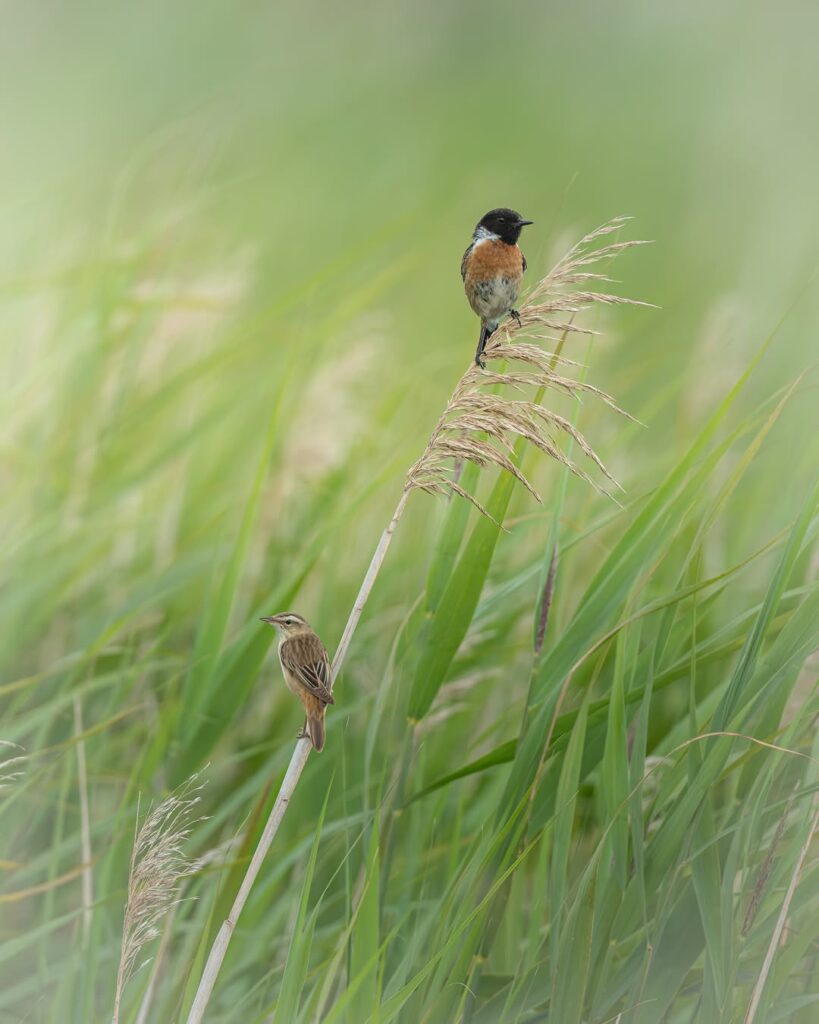
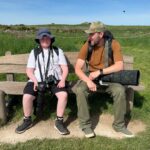
While I was in Ireland, my friend Connor took me to this enormous reedbed beside the railway on the coast, with one target in mind: bearded reedlings.  We searched, we listened, we walked for miles but to no avail.

To be honest though, that’s quite often my weirdly favourite thing about wildlife photography. It’s the reminder that sometimes the best moments come when you stop looking for the thing you set out for and start noticing everything else around you.

The Unexpected Rewards

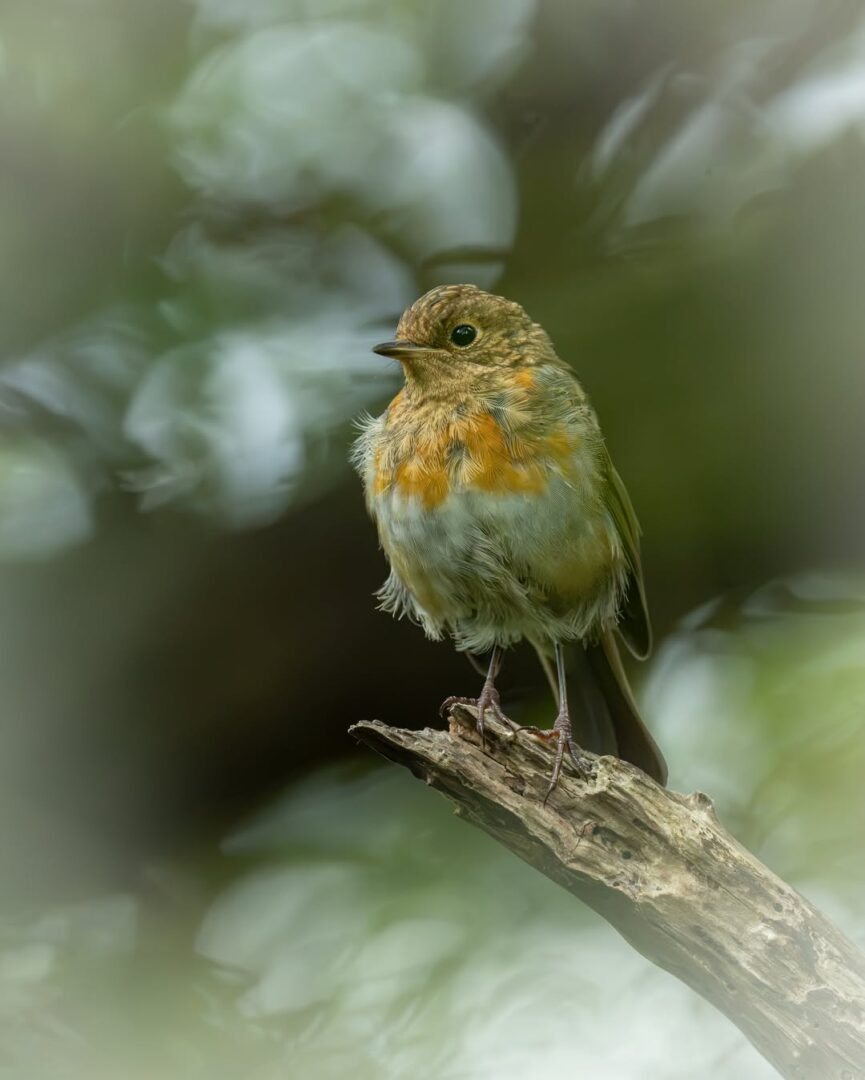
Once I abandoned my laser focus on finding bearded reedlings, the reedbed came alive. Reed warblers disappeared through the stems – small, brown, and deceptively tricky to spot until you know what you’re looking for. Sedge warblers called from deeper in the vegetation, their scratchy song cutting through the rustling of the reeds. Stonechats perched on exposed stems, their distinctive black-and-white plumage unmistakable. Meadow pipits moved through the margins, constantly in motion, and some very curious juvenile robins, still in their spotted plumage, hopped about investigating everything.

That day became a masterclass in reedbed ecology. These habitats are incredibly rich, hosting dozens of species depending on the season. Reed warblers are summer visitors from Africa, arriving in spring to breed in the safety of dense reed stems. Sedge warblers are similar, migratory, vocal, and perfectly adapted to the chaos of reedbed life. Stonechats prefer more open perches, using their elevated vantage points to scan for insects and small prey. Meadow pipits are ground-feeders, moving through the margins where the reeds thin. Then the juvenile robins are still learning the landscape; investigate everything with cautious curiosity.

Finding Light in Complexity

A photography tip I’ve learned the hard way, is that reedbeds can look incredibly messy through a long lens. Walls of stems, dense vegetation, and endless layers of brown and green can turn into visual chaos. Rather than fighting it, I look for little ‘windows’ or gaps between the reeds where a bird might perch or pass through. A few steps left or right can completely change the composition, turning a chaotic wall of stems into a beautifully framed photograph.

The Gift of Failed Expectations

So in the end the bearded reedlings never showed and honestly, that was fine. Because in looking for them, I found something better – a day wandering the Irish coast with a mate, seeing what we could find, without rigid expectations limiting what we could discover.

Wildlife photography teaches you this lesson repeatedly: control what you can (positioning, settings, timing), but surrender to what you can’t (animal behaviour, weather, luck). Some days you get the shot you planned. Most days, you get something else entirely.

And the bearded reedlings? They’ve just given me a reason to go back.

Tagged In nature, nature photography, paul browning, photography, wildlife
Share This Post Facebook Twitter Pinterest
Prev Post First Flight: A Goodbye to Young Barn Owls in Northumberland
You may also like
Reed Buntings in the Fields of Yorkshire
14 July 2025
in Nature

Reed Buntings in the Fields of Yorkshire

There’s something about the stillness of an open field in early spring that always pulls me in. On this recent trip to Yorkshire
The story of the little owl and how it arrived in England
22 March 2023
in Nature

The story of the little owl and how it arrived in England

The story of the little owl and how it arrived in England Little Owl (Athene Noctua) GB population 6,000 pairs Length 22cm (adult)
Where to photograph Atlantic Puffins in the UK
29 March 2023
in Blog+Nature

Where to photograph Atlantic Puffins in the UK

Where to Photograph Atlantic Puffins in the UK Atlantic puffin (Fratercula artica) GB Population 580,000 pairsLength 26-29cm Wings
Categories
  • Blog
  • Nature
  • Tutorials
  • Workshops
Featured Posts
The Hunt for Bearded Reedling – A Tale of Unexpected Finds
3 September 2026
First Flight: A Goodbye to Young Barn Owls in Northumberland
5 August 2026
Silent Waters – An Evening with England’s Wild Beavers
6 July 2026
Passing on the Photography Flame
2 June 2026
Fleeting Encounters – Photographing the Short-eared Owl at Bempton Cliffs
6 May 2026
Feathers and Families – Photographing the Great Crested Grebe
10 April 2026
GET SOCIAL

INSTAGRAM
@paulbrowning.photography
@snowboard.paul
@macro.paul

X
@paul__browning_

FACEBOOK
@paulbrowning.photography
@snowboardpaul
@macro.paul.surrey

Get in Touch

+44 7956 644 415

info@paulbrowning.photography

Terms & Privacy Policy
Refund Policy

Find me on Insta

GET SOCIAL

INSTAGRAM
@paulbrowning.photography
@snowboard.paul
@macro.paul

X
@paul__browning_

FACEBOOK
@paulbrowning.photography
@snowboardpaul
@macro.paul.surrey

Latest Posts
Ancient Silhouettes – Photographing the Cormorant
Reed Buntings in the Fields of Yorkshire
After the Storm – Photographing the Eurasian Oystercatcher
© 2023 Paul Browning Photography. All Rights Reserved. Web Design by Kraft Space.

Sign up to our newsletter

Register for my newsletter to receive workshop updates, the latest tuition, talks and presentations, as well as insights into where I will be travelling next and what I will be hoping to photograph!